
Black Pomfret vs White Pomfret: Key Differences Explained
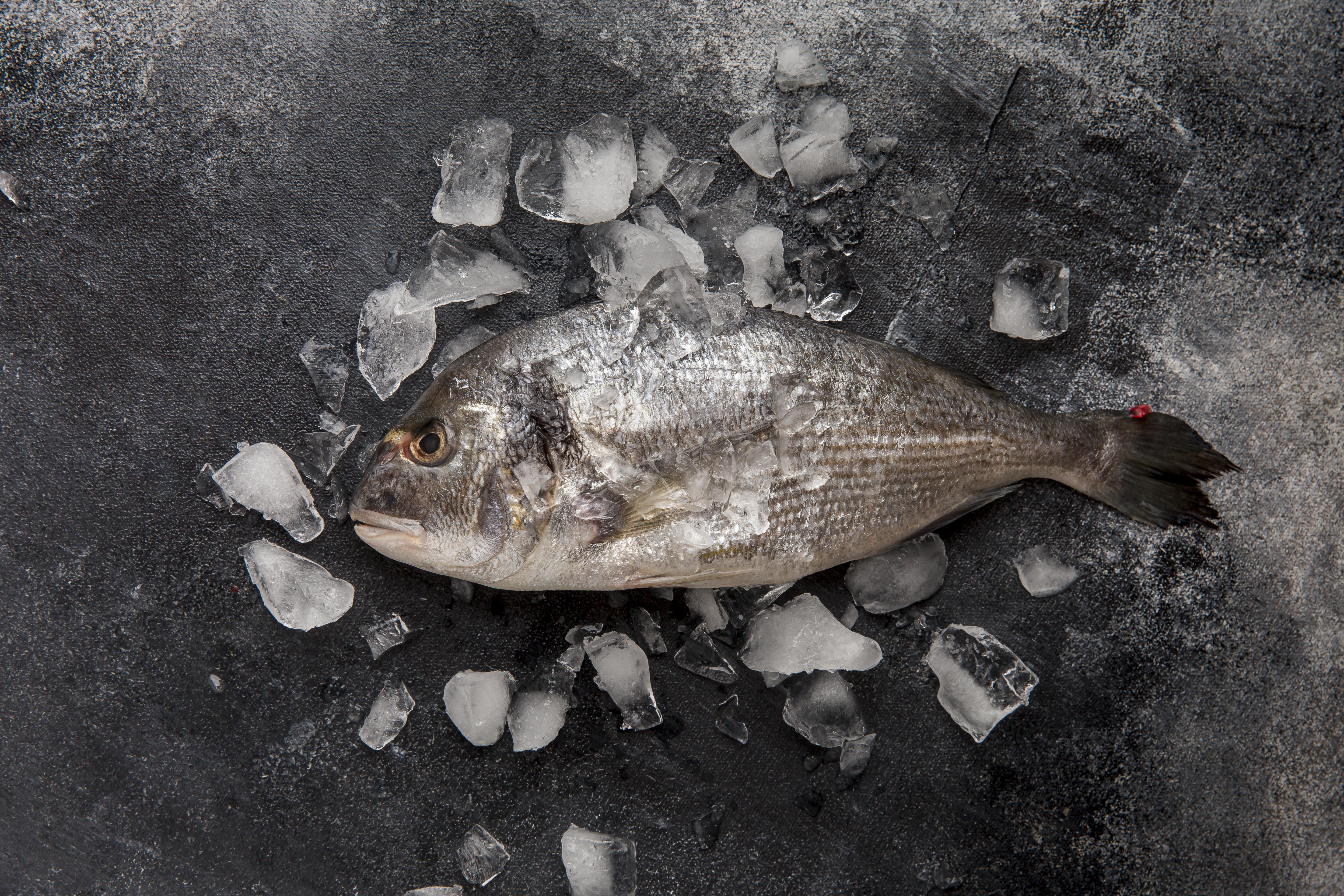
If you have ever stood at a fish counter looking at two types of pomfret and wondering if the only difference is the color, you are not alone. Both fish look quite similar, both are called pomfret, and both are used in the same kinds of recipes. But once you cook them, you will quickly notice they are not the same at all.
This guide explains everything in simple terms. By the end, you will know how black and white pomfret are different in taste, feel, price, and how to cook them, so you can make the right choice every time you shop.
What Is Pomfret?
Pomfret is a sea fish found in the Indian Ocean, the Arabian Sea, and parts of the Pacific Ocean. It has a flat, round body, a split tail, and a mild taste that makes it one of the most liked fish in South Asian, Middle Eastern, and Southeast Asian cooking.
The word pomfret actually covers more than one type of fish, but in most markets you will find two main ones: black pomfret and white pomfret. They are related, but not the same fish, and the differences are more than just looks.
Black Pomfret vs White Pomfret With Core Differences at a Glance
Before going into detail, here is a quick side-by-side look at how the two fish compare:
| Feature | Black Pomfret | White Pomfret |
|---|---|---|
| Looks | Dark grey to black skin | Silver to pale white skin |
| Flesh Color | Slightly dark, greyish white | Bright white |
| Taste | Stronger, more noticeable | Mild, soft, slightly sweet |
| Texture | Firm, stays together well | Soft, breaks apart easily |
| Price | More affordable | Much more expensive |
| Size | Usually bigger | Usually smaller to medium |
| Availability | Easy to find all year | Harder to find, more seasonal |
| Best Cooking Method | Grilling, frying, curries | Steaming, light frying, baking |
Black Pomfret And What You Need to Know
Black pomfret, known by the scientific name Parastromateus niger, is the bigger and more commonly found of the two. Its skin is dark grey or almost black, and the flesh inside is slightly darker than white pomfret with a stronger, fuller taste.
Taste and Texture
Black pomfret has a stronger flavor than white pomfret. It tastes more like fish, which makes it a great choice for cooking with strong spices, thick sauces, or rich gravies. The flesh is firm and stays in one piece even when cooked on high heat, so it does not break apart when you fry or grill it.
If you like fish that can handle a strong masala or a heavy curry without falling apart, black pomfret is a good pick.
Price and Availability
Black pomfret is much cheaper than white pomfret and is easy to find in most fish markets all through the year. If pomfret is something you cook often, black pomfret gives you good taste and value without spending too much.
Best Cooking Methods for Black Pomfret
Because it is firm and has a stronger taste, black pomfret works well with:
Grilling with spice rubs and marinades, deep or shallow frying with a crispy coating, slow-cooked curries where the fish needs to hold its shape, and tandoor-style cooking where the heat is very high.
Its firm texture also makes it easier to handle in the pan because it does not break when you flip it.
White Pomfret And What You Need to Know
White pomfret, known by the scientific name Pampus argenteus, is seen as the better quality fish and costs more in almost every market. Its skin is silver and white, the flesh inside is bright white and very soft, and eating it feels much more gentle and smooth compared to black pomfret.
Taste and Texture
White pomfret has a light, clean taste with a little natural sweetness. This comes out best when it is cooked simply, without too many spices. The flesh is soft and comes apart in clean flakes, which is why many people prefer it for steaming or light cooking where the fish itself is meant to taste good on its own.
Cooking white pomfret for too long is a common mistake because its soft flesh goes dry and tough very quickly. It needs careful, gentle cooking to taste its best.
Price and Availability
White pomfret costs noticeably more than black pomfret in most places, and it is not always easy to find depending on the season and your location. Its higher price makes sense given its taste and how hard it can be to get consistently.
For special meals or occasions where the fish is the main dish and you want it to really stand out, white pomfret is worth paying more for.
Best Cooking Methods for White Pomfret
Because it is soft and has a light taste, white pomfret works best with:
Steaming with ginger and soy for a clean, simple finish, shallow frying with a light coating to keep the texture, baking in foil or paper to keep the moisture in, and simple pan cooking with butter, lemon, and herbs.
Using too many strong spices on white pomfret covers its natural sweetness rather than bringing it out. The goal is always to let the fish speak for itself.
Which One Should You Actually Buy?
The honest answer is that it depends on what you are making and how much you want to spend.
If you are making a spicy fish curry, a masala fry, or anything with bold flavors, black pomfret is the better choice. It handles strong spices well, costs less, and its firm texture means the fish stays in clean pieces rather than breaking apart in the sauce.
If you are cooking something where the fish needs to taste good on its own, like a steamed dish, a lightly fried fillet, or a meal for a special occasion, white pomfret is worth the higher price. Its soft texture and sweet flavor are hard to match with any other fish.
For regular everyday cooking on a budget: black pomfret. For a special meal where quality matters most: white pomfret.
A Quick Note on Freshness for Both Varieties
No matter which pomfret you pick, freshness is more important than the type. A fresh black pomfret will always taste better than a white pomfret that has not been stored properly, no matter what the price tag says.
When buying either fish, look for clear and bright eyes, firm flesh that bounces back when you press it, a clean sea smell with no strong or off-putting odor, and bright red gills rather than dark or dull ones.
This same thinking applies to all seafood. Whether you are buying pomfret, trying out a Grilled Prawns Recipe for a lighter meal, or going for something different like a Tuna Steak Recipe, starting with a fresh product is always what makes the biggest difference.
Conclusion
Black pomfret and white pomfret are two different fish that suit different cooking styles, different budgets, and different occasions. Black pomfret is firm, flavorful, and handles bold cooking without any trouble. White pomfret is soft, delicate, and tastes best when cooked simply and carefully.
Neither one is better than the other. The right choice is simply the one that fits what you are cooking that day. Now that you know the difference, picking the right one at the fish counter should feel much easier.
Frequently Asked Questions
1. What is the main difference between black and white pomfret?
The biggest difference is in taste and texture. Black pomfret has a stronger flavor and firmer flesh, which makes it good for spicy and heavy cooking. White pomfret has a mild, sweet taste and soft flesh, which works best with simple and light cooking styles.
2. Which pomfret is better for everyday cooking?
Black pomfret is the better choice for everyday cooking because it is cheaper, easy to find all year, and handles strong spices and high heat well without breaking apart.
3. Why is white pomfret more expensive than black pomfret?
White pomfret costs more because it is harder to find, less available through the year, and considered a premium fish for its delicate taste and soft texture. Many people save it for special meals rather than everyday use.
4. Can I use black pomfret instead of white pomfret in a recipe?
Yes, you can swap one for the other, but the result will be different. Black pomfret works better in spiced and heavy dishes while white pomfret suits lighter preparations. If a recipe calls for steaming or simple frying, white pomfret will give a better result.
5. How do I know if pomfret is fresh when buying it?
Look for clear and bright eyes, firm flesh that bounces back when pressed, bright red gills, and a clean sea smell. If the fish smells strongly or the flesh feels soft and mushy, it is not fresh.
Disclaimer: The information in this blog is for general learning purposes only. Taste, texture, price, and availability of black and white pomfret may vary depending on where you live, the season, and the seller. Always buy seafood from a trusted source and make sure it is stored and handled properly before cooking.