
How Much Protein Is in Rohu Fish? Nutrition, Health Benefits & More
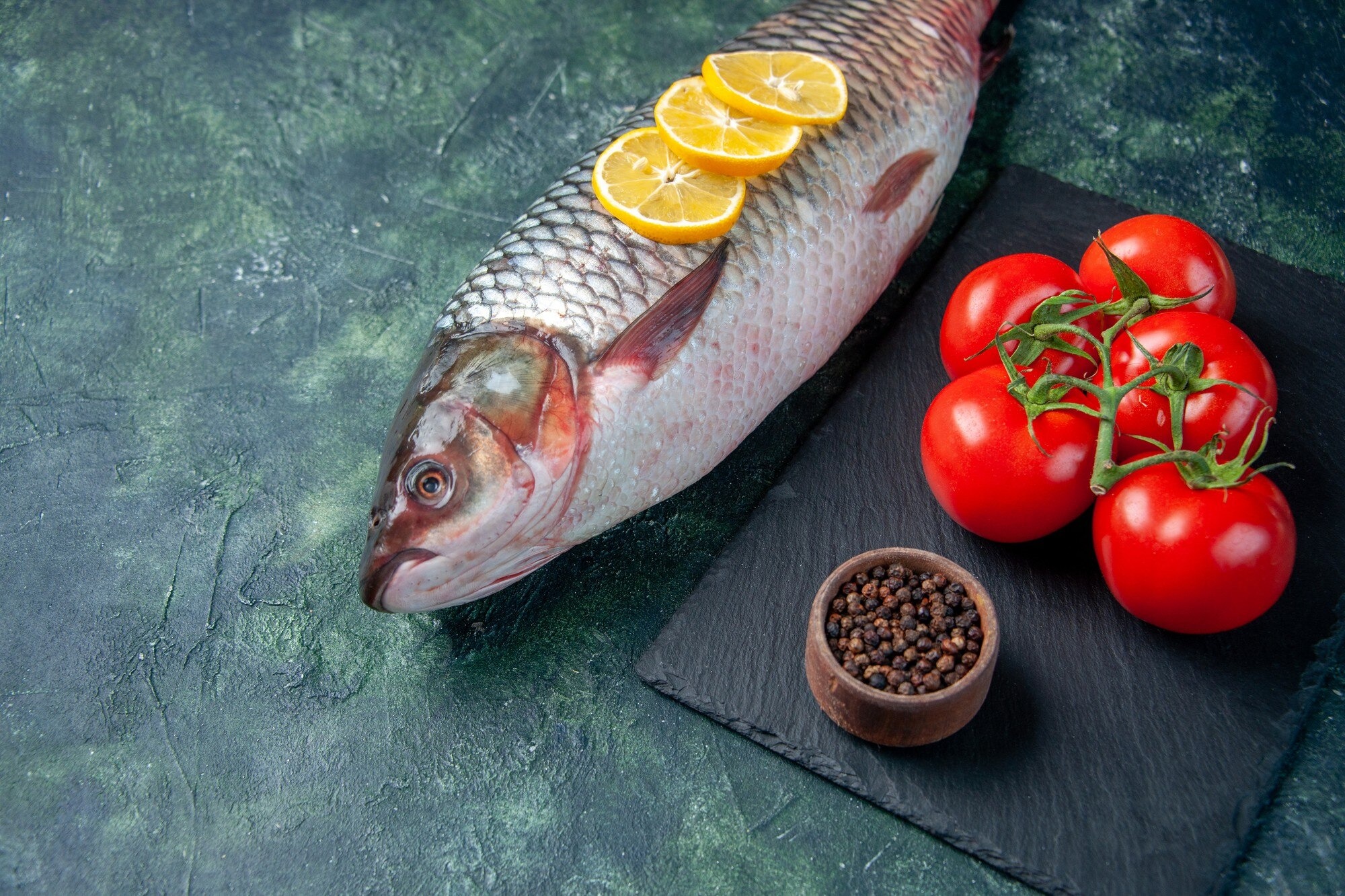
What if one of the most affordable fish on your plate could quietly compete with expensive protein sources like chicken, eggs, and even salmon?
Rohu fish has been a favorite in South Asian households for generations, loved for its mild flavor and versatility in cooking. But beyond its delicious taste, many people are now asking an important question: How much protein is in rohu fish?
Whether you’re trying to build muscle, lose weight, improve heart health, or simply eat a healthier diet, rohu fish offers an impressive nutritional package. From high-quality protein to essential vitamins and minerals, this freshwater fish delivers much more than most people realize.
In this guide, we’ll break down the protein in rohu fish per 100g, calorie content, nutritional value, health benefits, and even discuss the rohu fish mercury level so you can enjoy it with confidence.
What Is Rohu Fish?
Rohu (Labeo rohita) is a freshwater fish commonly found across South Asia, particularly in India, Pakistan, Bangladesh, and Nepal. It belongs to the carp family and is one of the most consumed fish species in the region.
Its tender texture, mild taste, and affordability make it a staple ingredient in countless traditional recipes. You can order premium-quality Rohu Fish online from SeaFresh for fresh and delicious meals.
How Much Protein Is in Rohu Fish?
The biggest reason health-conscious individuals are adding rohu to their diets is its excellent protein content.
Protein in Rohu Fish Per 100g
A 100-gram serving of cooked rohu fish typically contains around 18–22 grams of protein, depending on farming conditions, preparation method, and fish size.
Protein Content Breakdown
| Serving Size | Protein Content |
|---|---|
| 100g Rohu Fish | 18–22g |
| 150g Rohu Fish | 27–33g |
| 200g Rohu Fish | 36–44g |
This makes rohu an excellent source of complete protein, providing essential amino acids that support muscle growth, tissue repair, and overall body function.
For anyone wondering about the protein in rohu fish, it is certainly one of the best budget-friendly protein options available.
Rohu Fish Nutrition Facts Per 100g
Besides protein, rohu fish contains several nutrients that contribute to overall health.
Rohu Fish Nutrition Per 100g
| Nutrient | Amount |
|---|---|
| Calories | 95–110 kcal |
| Protein | 18–22g |
| Fat | 2–4g |
| Carbohydrates | 0g |
| Calcium | 80–100mg |
| Phosphorus | 150–200mg |
| Potassium | 250–300mg |
| Vitamin B12 | Moderate Amount |
The nutritional profile makes rohu fish a lean protein source suitable for most dietary goals.
Rohu Fish Calories Per 100g
Many people trying to manage their weight often ask about rohu fish calories per 100g.
The good news is that rohu fish is relatively low in calories compared to many other protein-rich foods.
Calorie Comparison
| Food | Calories Per 100g | Protein |
|---|---|---|
| Rohu Fish | 95–110 kcal | 18–22g |
| Chicken Breast | 165 kcal | 31g |
| Eggs | 155 kcal | 13g |
| Beef | 250 kcal | 26g |
Because of its high protein-to-calorie ratio, rohu fish can help you stay fuller for longer without significantly increasing calorie intake.
This makes it a great choice for weight-loss diets and healthy meal plans.
Rohu Fish Health Benefits
The impressive nutritional profile of rohu fish contributes to several health advantages.
1. Supports Muscle Growth and Recovery
Protein is the building block of muscles.
Since the protein in rohu fish per 100g is relatively high, it helps support muscle maintenance, recovery after workouts, and overall strength development.
Athletes and fitness enthusiasts often include fish like rohu in their meal plans for this reason.
2. Promotes Heart Health
Rohu fish contains beneficial fatty acids that may support cardiovascular health.
Regular fish consumption has been associated with:
- Better cholesterol balance
- Improved blood circulation
- Reduced risk of heart disease
- Lower inflammation levels
When prepared using healthy cooking methods such as grilling or steaming, rohu can be a heart-friendly addition to your diet.
3. Helps With Weight Management
Foods rich in protein increase satiety and reduce hunger cravings.
Because rohu fish calories per 100g remain relatively low while protein content stays high, it can help individuals feel satisfied for longer periods.
This may lead to reduced overall calorie consumption throughout the day.
4. Supports Brain Function
Rohu fish provides nutrients such as vitamin B12, phosphorus, and healthy fats that support nervous system health.
These nutrients play a role in:
- Memory function
- Concentration
- Cognitive performance
- Nerve health
Including fish regularly in your diet may contribute to long-term brain wellness.
5. Strengthens Bones
Rohu fish contains minerals like calcium and phosphorus, which are essential for maintaining strong bones and teeth.
These nutrients help support:
- Bone density
- Skeletal strength
- Reduced risk of age-related bone loss
6. Improves Immune Function
The vitamins and minerals found in rohu fish help support a healthy immune system.
Adequate protein intake is also crucial for producing antibodies that protect the body from infections.
What Is the Rohu Fish Mercury Level?
One concern many people have when eating fish is mercury contamination.
Is Rohu Fish High in Mercury?
The rohu fish mercury level is generally considered low to moderate compared to large predatory fish such as shark, swordfish, and king mackerel.
Since rohu is a freshwater carp species and occupies a lower position in the food chain, it tends to accumulate less mercury.
Mercury Risk Comparison
| Fish Type | Mercury Level |
|---|---|
| Rohu Fish | Low to Moderate |
| Salmon | Low |
| Tuna | Moderate |
| Swordfish | High |
| Shark | Very High |
For most healthy adults, consuming rohu fish in moderation as part of a balanced diet is generally considered safe.
Is Rohu Fish Good for Bodybuilding?
Absolutely.
Bodybuilders often prioritize foods that offer:
- High protein
- Moderate calories
- Good digestibility
- Essential nutrients
Rohu fish checks all these boxes.
A single serving can provide enough protein to contribute significantly toward daily protein requirements without adding excessive fat or calories. Rohu fish can also be used in quick snack-style meals such as the Fish Finger Recipe, making it easier to include protein in an everyday diet.
Healthiest Preparation Methods
The way you cook rohu fish can affect its nutrition and calorie content. When you are looking for a flavorful and healthy way to cook fish, recipes like this Fish Tawa Fry Recipe are also a popular option in South Asian kitchens. Here are some healthy ways to prepare it:
-
Grilled Rohu: Grilling is a great option because it keeps the fish flavorful without adding too much oil. It also helps maintain the protein content while keeping calories low.
-
Steamed Rohu: Steaming is one of the healthiest cooking methods. It helps keep most of the nutrients in the fish and does not require extra fat or oil.
-
Baked Rohu: Baking gives rohu fish a soft texture and delicious taste. It is a healthy choice because it uses less oil compared to frying.
-
Light Rohu Curry: Rohu fish curry can be a nutritious meal when made with a small amount of oil and fresh ingredients like tomatoes, onions, and spices.
-
Avoid Deep-Frying Often: Deep-fried fish may taste good, but it adds extra calories and fat. For better health, it is best to enjoy fried rohu fish only once in a while.
Choosing these cooking methods can help you enjoy the taste of rohu fish while getting the most out of its protein and nutrients.
Where to Buy Fresh Rohu Fish
The quality of your fish matters just as much as the way you cook it. Fresh rohu fish offers better texture, richer flavor, and preserves the nutritional value that makes it such an excellent source of protein.
When buying rohu fish, freshness is one of the most important factors to consider. Fresh fish typically has a better texture, cleaner taste, and retains its nutritional value more effectively than fish that has been stored for long periods.
Consumers can purchase rohu fish from local seafood markets, fish vendors, supermarkets, or online seafood platforms. For those who prefer home delivery, visit SeaFresh Pakistan, where you can order fresh seafood, including Rohu fish, depending on availability.
Regardless of where you buy it, always look for signs of freshness, including clear eyes, firm flesh, a mild smell, and proper cold storage conditions.
Conclusion
Rohu fish is far more than just a popular freshwater fish. It is a nutrient-rich food packed with high-quality protein, essential minerals, and numerous health benefits.
The protein in rohu fish per 100g ranges from approximately 18 to 22 grams, making it an excellent choice for muscle growth, weight management, and overall wellness. Additionally, rohu fish calories per 100g remain relatively low, allowing you to enjoy a protein-rich meal without excessive calorie intake.
Another advantage is that the rohu fish’s mercury level is generally lower than that of many large predatory fish, making it a safer option for regular consumption.
If you’re searching for a delicious, affordable, and nutritious source of protein, rohu fish deserves a place on your plate.
Frequently Asked Questions
How much protein is in rohu fish per 100g?
A 100-gram serving of rohu fish typically contains around 18–22 grams of protein, making it an excellent source of high-quality protein for muscle growth, repair, and overall health.
How many calories are in rohu fish per 100g?
The rohu fish calories per 100g range between 95 and 110 calories, depending on the fish size and cooking method. This makes it a relatively low-calorie, protein-rich food.
Is rohu fish good for weight loss?
Yes, rohu fish can support weight loss because it is high in protein and relatively low in calories. Protein helps you feel fuller for longer, which may reduce overall calorie intake throughout the day.
What are the main rohu fish health benefits?
Some of the most notable rohu fish health benefits include supporting muscle growth, promoting heart health, aiding weight management, strengthening bones, improving brain function, and boosting immunity.