
Prawn vs Shrimp: What's the Difference?
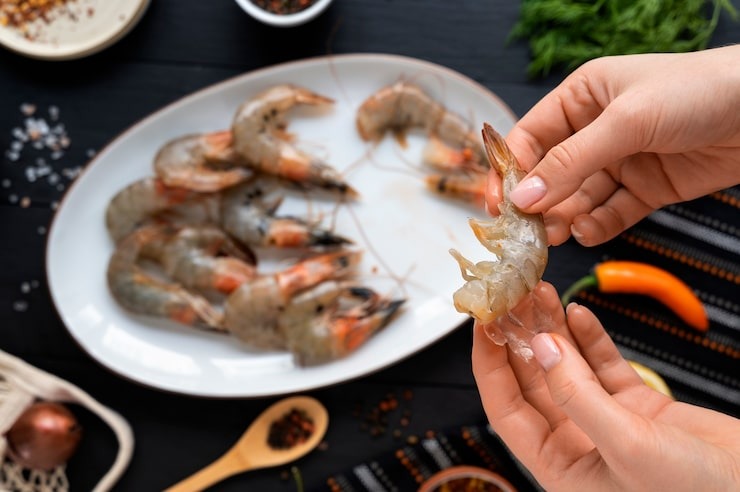
Have you ever stood at a seafood counter looking at prawns and shrimp and wondered if they are actually the same thing?
You’re not alone.
Many people use the terms interchangeably, while others believe they are completely different seafood species. The truth lies somewhere in between. Although prawns and shrimp look very similar and are often cooked in the same way, there are a few differences that set them apart.
For most home cooks, the distinction may not seem important. However, understanding the prawn vs shrimp debate can help you make better choices when shopping, cooking, or trying new seafood recipes.
In this guide, we’ll break down the shrimp and prawn differences, compare their nutrition, taste, appearance, and cooking uses, and help you understand whether one is better than the other.
Are Prawns and Shrimp the Same?
One of the biggest misconceptions about seafood is that prawns and shrimp are exactly the same.
While they belong to similar groups of crustaceans, they are technically different species. Scientists classify them differently based on their body structure, gill shape, and leg arrangement.
That said, the average person is unlikely to notice these differences when buying seafood or enjoying a meal.
This is why the terms “prawn” and “shrimp” are often used interchangeably in restaurants, supermarkets, and seafood markets around the world. If you’re looking for premium-quality seafood, you can explore the wide selection of Fresh Prawns available at SeaFresh.
Prawn vs Shrimp: Key Differences
Although they look alike, there are a few noticeable differences between them.
| Feature | Shrimp | Prawn |
|---|---|---|
| Size | Usually smaller | Usually larger |
| Body Shape | Slight curve | Straighter body |
| Texture | Slightly softer | Slightly firmer |
| Habitat | Mostly saltwater | Freshwater and saltwater |
| Cooking Uses | Frying, snacks, stir-fries | Grilling, curries, main dishes |
These differences are generally minor, which is why many recipes can use either seafood without affecting the final result.
Shrimp and Prawn Differences in Appearance
The easiest way to identify the shrimp and prawn difference is by looking at their physical appearance.
Prawns usually have longer legs and a straighter body shape. They also tend to grow larger than shrimp, which is why they are often selected for grilled seafood dishes and restaurant-style presentations.
Shrimp, on the other hand, have a slightly curved body and are commonly sold in smaller sizes. Their compact size makes them ideal for appetizers, finger foods, and quick-cooking recipes.
Unless the two are placed side by side, most people find it difficult to tell them apart.
Do Prawns and Shrimp Taste Different?
This is one of the most common questions in the prawn vs shrimp discussion.
The answer is yes, but only slightly.
Shrimp usually have a mild and slightly sweet flavor with a soft texture. Prawns are often described as having a richer taste and a firmer bite.
However, the cooking method, seasoning, and freshness often have a much bigger impact on flavor than the actual species itself.
For most recipes, the taste difference is so small that many people never notice it.
Nutrition Comparison
Both prawns and shrimp are excellent seafood choices and offer similar nutritional benefits.
Nutrition Per 100g (Approximate)
| Nutrient | Shrimp | Prawn |
|---|---|---|
| Calories | 99 kcal | 105 kcal |
| Protein | 20g | 20–24g |
| Fat | 1–2g | 1–2g |
| Carbohydrates | 0g | 0g |
Both are naturally high in protein and relatively low in calories, making them popular choices among people looking for healthier meal options.
Which Is Better for Cooking?
There is no clear winner when it comes to cooking because both work well in different types of dishes.
Shrimp are often preferred for:
- Fried seafood
- Finger foods
- Pasta dishes
- Stir-fries
- Appetizers
Prawns are commonly used in:
- Grilled seafood dishes
- Seafood platters
- Curries
- Main-course recipes
If you enjoy grilled seafood, recipes such as the Grilled Prawns Recipe are a great example of how larger prawns can hold their texture and flavor during cooking.
Popular Ways to Cook Prawns and Shrimp
One of the biggest reasons prawns and shrimp are so popular is that they are incredibly versatile in the kitchen. Their mild flavor allows them to pair well with a wide variety of herbs, spices, sauces, and vegetables, making them suitable for both simple home-cooked meals and restaurant-style dishes.
Another advantage is that they cook very quickly compared to many other protein sources. This makes them a convenient option for busy weeknight dinners while still delivering great taste and texture.
Some of the most common ways to prepare prawns and shrimp include:
- Grilling: A popular choice that brings out their natural flavor while adding a light smoky taste.
- Pan Frying: Quick and easy, perfect for preparing seafood with simple seasonings and minimal ingredients.
- Deep Frying: Commonly used for crispy seafood snacks, appetizers, and finger foods.
- Stir-Frying: Works well with vegetables, noodles, and Asian-inspired sauces for a fast and flavorful meal.
- Baking: A healthier cooking option that helps retain moisture and texture without requiring much oil.
- Curry Preparation: One of the most popular methods in South Asian cuisine, where prawns or shrimp are cooked with aromatic spices, onions, tomatoes, and herbs.
For people who enjoy traditional seafood meals, dishes such as a Fish Curry Recipe often use many of the same spices and cooking techniques that are commonly used with prawns and shrimp. Similarly, the Grilled Prawns Recipe remains a favorite choice for those who prefer lighter seafood dishes with simple seasonings and fresh flavors.
Which One Should You Buy?
For most home cooks, the decision comes down to personal preference.
If you’re preparing appetizers, snacks, or quick meals, Small Prawns are often more convenient because of their smaller size.
If you’re planning a grilled seafood dinner or a special meal, Large Prawns may offer a more impressive presentation and a slightly meatier texture.
The good news is that both provide excellent nutrition and can be substituted for one another in many recipes.
Why the Confusion Exists
Part of the confusion comes from regional language differences.
In some countries, larger shrimp are marketed as prawns, while in others the terms are used interchangeably regardless of species.
This means that what is labeled as a prawn in one place may be called a shrimp somewhere else.
As a result, consumers often focus more on size and quality rather than the scientific classification.
Conclusion
The debate around prawn vs shrimp has been around for years, but the reality is simpler than most people think.
While there are technical differences in their anatomy and classification, both seafood options are very similar in taste, nutrition, and cooking versatility. Understanding the shrimp and prawn difference can help you identify them more easily, but in everyday cooking, either one can be an excellent choice.
Whether you prefer the smaller size of shrimp or the firmer texture of prawns, both can be part of delicious, protein-rich meals that fit into a healthy lifestyle.
Frequently Asked Questions
1. What is the main prawn vs shrimp difference?
The main difference lies in their body structure and scientific classification. Although they look very similar, prawns and shrimp belong to different groups of crustaceans.
2. Are prawns bigger than shrimp?
In most cases, prawns tend to be larger than shrimp and have a slightly firmer texture. However, size can vary depending on the species and where they are found.
3. Do prawns and shrimp taste the same?
Prawns and shrimp have a very similar flavor, which is why many people use them interchangeably. Prawns may have a slightly firmer bite, while shrimp are often a little softer.
4. Which is healthier, prawns or shrimp?
Both prawns and shrimp are excellent sources of protein and are relatively low in calories. They also contain important nutrients that can be part of a healthy and balanced diet.