
How Much Protein Is Actually in Salmon and Does the Type You Buy Change Anything?
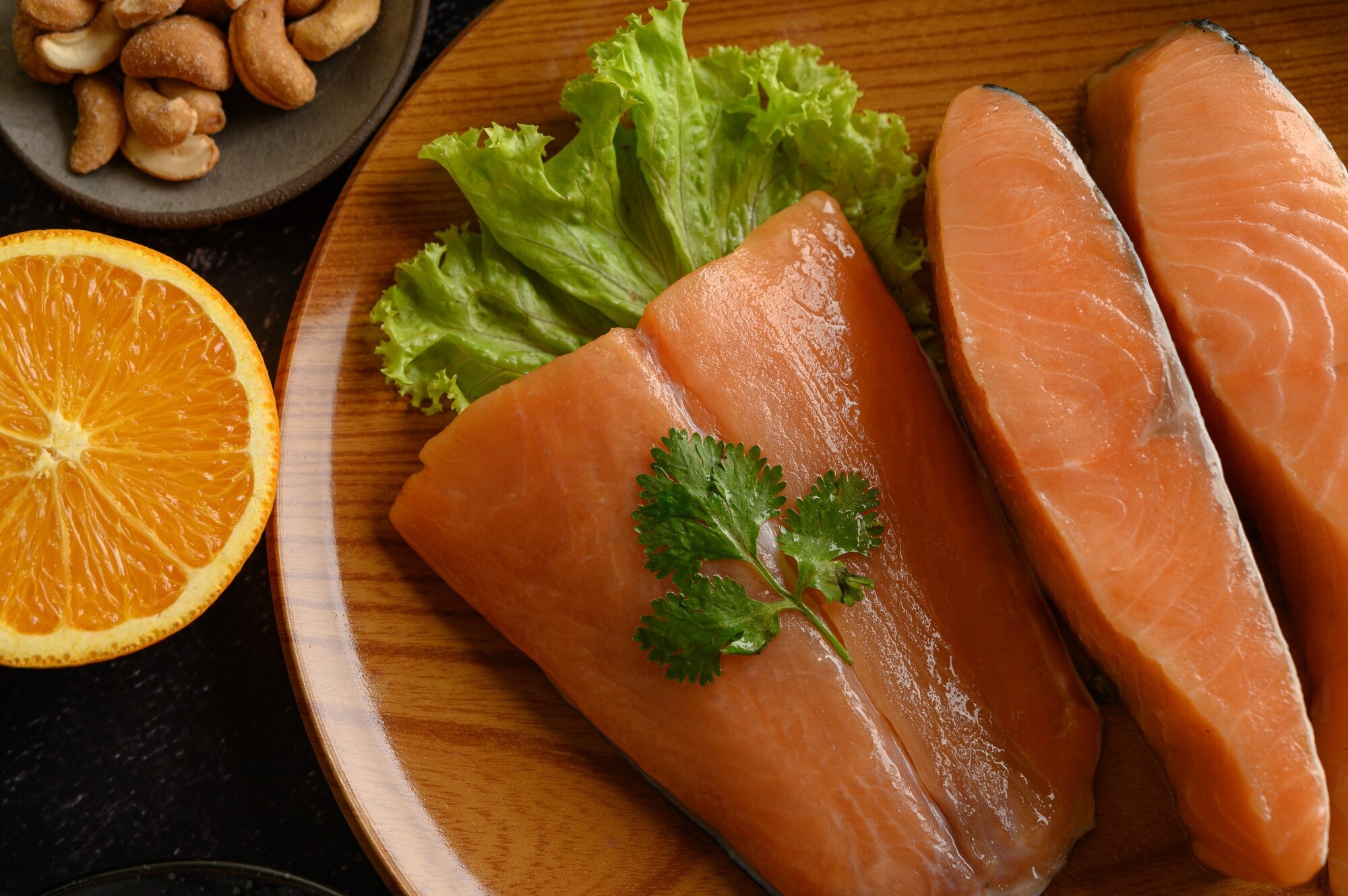
Salmon gets a lot of praise in nutrition circles, and most of it is deserved. But if you have ever tried to figure out exactly how much protein you are getting per fillet, per portion, or across different salmon types, you have probably run into numbers that do not quite match up across sources.
This blog puts it all in one place. Whether you are tracking your intake, trying to figure out if salmon fits your diet, or just curious whether wild salmon is genuinely different from farmed, you will get a straight answer here.
Is Salmon High in Protein?
Yes, and it is not even close. Salmon is one of the most protein-dense whole foods you can eat, sitting comfortably alongside chicken breast and beef in terms of protein per serving, with the added benefit of omega-3 fatty acids that most other high-protein foods do not carry.
A standard 100g serving of cooked salmon delivers roughly 20 to 25 grams of protein depending on the variety and cooking method. For context, that is more protein per gram than an egg, more than most cuts of pork, and comparable to skinless chicken.
The short answer is yes, salmon is genuinely rich in protein, and it earns its reputation. If you are ready to try salmon at home, you can order Fresh Indian Salmon Rawans directly and see the difference quality fish makes to your meals.
How Much Protein in Salmon by Type and Cut
Not all salmon is identical. The species, whether it is farmed or wild-caught, and the specific cut you buy all have a small but real effect on protein content. Here is how the main varieties compare:
| Salmon Type | Protein Per 100g (Cooked) | Fat Content | Notes |
|---|---|---|---|
| Atlantic Salmon (Farmed) | 20g | Higher | Most widely available, consistent size |
| Atlantic Salmon (Wild) | 22g | Moderate | Leaner than farmed, slightly firmer |
| Sockeye Salmon | 25g | Lower | Deep red flesh, strong flavor |
| Chinook Salmon | 20g | Highest | Richest flavor, highest omega-3 |
| Pink Salmon | 21g | Lowest | Mild flavor, often canned |
| Coho Salmon | 23g | Moderate | Balanced flavor, good all-rounder |
The differences between varieties are real but not dramatic. If your primary goal is protein, any salmon gets you there. Where the type matters more is flavor, fat content, and how the fish responds to different cooking methods.
For those who want to explore a premium option, Hawaiian Salmon is worth trying for its rich flavor and strong nutritional profile.
Protein in Atlantic Salmon Specifically
Atlantic salmon is what most people are buying without realizing it, whether at a supermarket, a restaurant, or a seafood counter. The farmed version sits at around 20 grams of protein per 100 grams cooked, while wild Atlantic salmon comes in slightly higher at around 22 grams due to a leaner body composition from living in open water.
Wild Salmon Protein vs Farmed
Wild-caught salmon tends to be slightly higher in protein and lower in fat than its farmed equivalent because wild fish are more physically active and eat a natural diet. The difference is not enormous, around 2 to 3 grams of protein per 100g, but if you are choosing between the two, wild salmon does give you a marginally leaner, higher-protein option alongside a more complex flavor.
How Many Grams of Protein in a 6oz Salmon Fillet
Six ounces is roughly 170 grams, which is a very common restaurant and home-cooking portion size. Here is what that looks like in protein terms across the main varieties:
| Salmon Type | 6oz Portion (170g) Protein |
|---|---|
| Atlantic Farmed | 34g |
| Atlantic Wild | 37g |
| Sockeye | 42g |
| Pink Salmon | 36g |
| Coho | 39g |
A 6oz sockeye fillet at 42 grams of protein in a single serving is genuinely impressive. For comparison, a large chicken breast comes in at around 38 to 40 grams. Salmon holds its own easily.
For a salmon fillet of any size, a rough working figure that holds across most varieties is about 6 to 7 grams of protein per ounce of cooked fish.
Is Salmon a Lean Protein?
This one needs a straight answer because it trips people up.
Technically, no. Nutritional guidelines define lean protein as a food with less than 10 grams of fat per 100 grams. Farmed Atlantic salmon sits at around 13 grams of fat per 100 grams, which puts it outside the lean category.
However, calling salmon anything other than a healthy protein would be misleading. The fat it carries is predominantly omega-3 fatty acids, which support heart health, reduce inflammation, and are genuinely difficult to get from most other food sources. This is not the same kind of fat that makes something unhealthy. If you are trying to understand why fish in general is such a smart addition to your diet, this guide on Why Eating Fish Is Good for You covers everything in one place.
Also, if you are looking for the leanest seafood option purely by fat content, wild sockeye or pink salmon come closest to lean protein territory.
For comparison, here is how salmon sits against other common proteins:
| Protein Source | Protein Per 100g | Fat Per 100g |
|---|---|---|
| Chicken Breast | 31g | 3.6g |
| Atlantic Salmon | 20g | 13g |
| Sockeye Salmon | 25g | 6g |
| Tuna (Yellowfin) | 30g | 1g |
| Cod | 18g | 0.9g |
| Prawns | 24g | 0.3g |
How to Cook Salmon Without Losing Protein
The cooking method does not significantly reduce the protein content in salmon, but it does affect how much of the fish you are actually eating. Heavy saucing, battering, and deep frying add calories around the protein without adding to it. If you are eating salmon as part of a weight management plan, this breakdown of the Best Fish to Eat for Weight Loss will help you make the smartest choices across all your meals.
The cleanest ways to cook salmon for maximum protein benefit are grilling, baking, and pan-searing with minimal oil. These methods preserve the texture, keep the calorie count manageable, and let the natural flavor carry the dish.
If you enjoy grilling your seafood, a good Grilled Fish Recipe shows how simple preparation often produces the best results. The same principle applies to other high-protein seafood like Prawns, where a well-executed Grilled Prawns Recipe proves that less is genuinely more.
Conclusion
Salmon is one of the most reliable high-protein foods you can eat, with around 20 to 25 grams per 100g depending on the variety, and roughly 34 to 42 grams in a standard 6oz fillet. It is not technically lean by strict nutritional definition, but the fat it carries is the kind your body actually benefits from.
Whether you are buying Atlantic farmed for convenience, wild sockeye for maximum protein, or pink salmon from a can for an easy weekday meal, you are getting a genuinely strong protein source every time.
Frequently Asked Questions
1. Does it matter whether I buy wild or farmed salmon for protein?
Not as much as you might think. Wild salmon runs about 2 to 3 grams higher per 100g, but that difference is not going to change much in practice. If farmed is what fits your budget, you are still getting a genuinely strong protein source.
2. Is canned salmon as good as fresh for protein?
Pretty much yes. Canned pink salmon delivers around 20 to 21 grams per 100g, which puts it right in line with wild fresh varieties. It is cheaper, lasts longer, and works well in quick meals without any real sacrifice on the protein front.
3. How does salmon compare to chicken for protein?
Chicken breast does win on numbers, around 31 grams per 100g versus salmon’s 20 to 25. But salmon brings omega-3 fatty acids that chicken does not, so rotating both into your diet gives you more than either one alone.
4. Does cooking salmon reduce how much protein you get?
Not in any significant way. What matters more is not overcooking it, since salmon that dries out shrinks more and leaves you with a smaller portion. Grill it, bake it, or pan-sear it over medium heat and you will be fine.
Disclaimer
The nutritional values in this blog are based on general averages and may vary depending on the specific product, cooking method, and supplier. This content is for informational purposes only and does not constitute dietary or medical advice. If you have a specific health condition or nutritional requirement, please consult a qualified professional before making changes to your diet.