
Bombay Duck Fry Recipe: Crispy, Simple, and Better Than You Expected
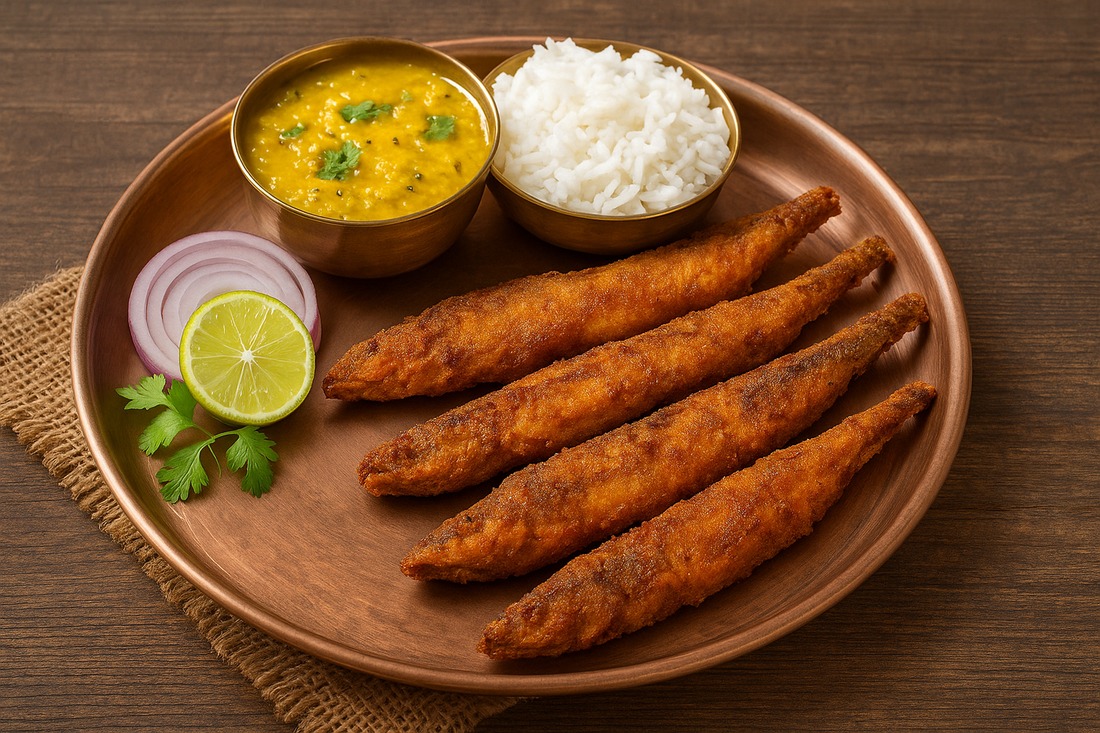
Some foods just hit differently when they are made right.
Bombay duck fry is one of them. When it is done well, the outside is golden and crispy, the inside is soft and flavorful, and the smell alone is enough to bring everyone to the kitchen. When it is done wrong, it falls apart in the pan, turns soggy, or tastes like nothing at all.
The difference between the two is not complicated. It comes down to a few simple things that most recipes never bother to explain. This blog covers all of them. By the end, you will know exactly how to make Bombay duck fry at home and get it right every single time.
What Is Bombay Duck and Why Does It Fry So Well?
Before we get into the recipe, it helps to understand what makes Bombay duck such a good fish for frying.
Bombay duck is a small, soft fish with very little fat and a mild flavor on its own. That softness is actually an advantage in the pan. When coated and fried correctly, the outside crisps up beautifully while the inside stays tender. The mild flavor of the fish means it takes on whatever spices and seasoning you use, which gives you a lot of room to make it your own.
It is also one of the most affordable fish you can buy locally, which makes it a great everyday option rather than something you save for special occasions. If you want to know more about what this fish does for your health beyond just tasting good, the full breakdown of Bombay duck nutrition facts is worth a read.
What You Need
This recipe keeps things simple. You do not need anything fancy. Most of these ingredients are already in your kitchen.
For the fish:
- 500g fresh Bombay duck, cleaned and washed
- 1 teaspoon red chili powder
- 1 teaspoon turmeric powder
- 1 teaspoon cumin powder
- 1 teaspoon coriander powder
- 1 tablespoon ginger-garlic paste
- Salt to taste
- 2 tablespoons lemon juice
- Oil for frying
For the coating:
- 4 tablespoons semolina (sooji) or rice flour
- 2 tablespoons plain flour
- A pinch of salt
How to Make Bombay Duck Fry: Step by Step
So, now let’s start reading some easy steps of making Bombay Duck fry that will turn out the yummiest food that you might ever have.
Step 1: Clean and Dry the Fish Properly
This step matters more than most people think. Bombay duck is a very soft and watery fish. If it goes into the pan wet, it will not crisp up. It will steam instead of fry, and you will end up with a soggy result.
Wash the fish gently under cold water. Then lay the pieces out on a clean kitchen towel or paper towels and pat them completely dry. Take your time with this. The drier the fish, the crispier the final result.
Step 2: Make the Marinade
In a bowl, mix the red chili powder, turmeric, cumin, coriander, ginger garlic paste, lemon juice, and salt. Mix it into a smooth paste. If it feels too thick, add just a tiny splash of water to loosen it slightly.
The lemon juice in the marinade does two things. It adds flavor, and it helps the spices stick to the fish. Do not skip it.
Step 3: Coat the Fish in the Marinade
Add the cleaned and dried fish pieces to the marinade. Use your hands to gently coat every piece evenly. Bombay duck is soft, so handle it carefully and do not press too hard, or it will break.
Once coated, let the fish sit in the marinade for at least 20 to 30 minutes. If you have more time, 45 minutes gives you even better flavor. Do not marinate for longer than an hour because the lemon juice will start to break down the soft flesh too much.
Step 4: Prepare the Coating
Mix the semolina and plain flour in a flat plate with a pinch of salt. Semolina is the secret to a really crispy crust. It creates a texture that flour alone cannot give you. If you do not have semolina, rice flour works almost as well.
Take each marinated fish piece and press it gently into the coating mixture. Make sure all sides are covered evenly. Shake off any excess before frying.
Step 5: Heat the Oil
Pour enough oil into a flat pan to shallow fry the fish. The oil should be about 1 to 2 cm deep. Heat it on medium-high until it is properly hot before you add the fish.
How do you know when the oil is ready? Drop a tiny pinch of the coating mixture into the oil. If it sizzles immediately and floats to the top, the oil is ready. If it just sinks slowly, the oil needs more time.
This is one of the most important steps. Cold oil means the fish absorbs oil instead of frying in it. The result is greasy and heavy rather than crispy and light.
Step 6: Fry the Fish
Place the coated fish pieces gently into the hot oil. Do not crowd the pan. Fry in batches if you need to. Putting too many pieces in at once brings the oil temperature down and stops the fish from crisping properly.
Fry each side for 2 to 3 minutes until golden brown and crispy. Bombay duck is a thin fish, so it cooks quickly. Keep an eye on it and do not walk away from the pan.
If you enjoy crispy fish recipes, you can also try our fish tawa fry recipe for another easy way to prepare fish at home.
Once done, lift the pieces out carefully and place them on a plate lined with paper towels to absorb any extra oil.
Step 7: Serve Immediately
Bombay duck fry is at its absolute best the moment it comes out of the pan. The crispiness fades quickly as the fish cools, so serve it straight away.
It goes beautifully with a squeeze of fresh lemon, sliced onions, and green chutney on the side. Some people like it with plain rice and dal for a simple home meal. Others enjoy it as a snack on its own with a cup of chai.
If you prefer a saucier fish dish, try our fish curry recipe for a comforting and flavorful meal.
Tips That Make All the Difference
- Dry the fish completely before marinating. We said it once, but it is worth saying again. This single step has the biggest impact on how crispy your Bombay duck fry turns out.
- Do not skip the resting time after marinating. Letting the fish sit in the spices for 20 to 30 minutes makes a noticeable difference to the depth of flavor.
- Use semolina in the coating. Plain flour gives you a soft coating. Semolina gives you a proper crunch. If you want that satisfying crispy bite, semolina is the way to go. For another crispy fish dish, you can also try our crispy fish and chips recipe for a classic homemade meal.
- Fry on medium-high heat, not high. Too much heat burns the outside before the inside is cooked. Medium-high gives you a golden crust with a properly cooked center.
- Fry in small batches. Crowding the pan is one of the most common mistakes. Give each piece enough space and the results will be much better.
Is Bombay Duck Fry Healthy?
Fried food always comes with a bit of a question mark, and that is fair. But Bombay duck itself is one of the leanest and lowest-calorie fish you can eat. It is very low in fat and high in protein, which means even after frying it remains a relatively light meal compared to frying something like chicken or red meat.
If you want to make it even lighter, you can shallow fry with less oil or use an air fryer at 200 degrees for about 10 to 12 minutes. The result is not quite the same as pan frying, but it is still very good and significantly lighter.
Fish in general is one of the best things you can eat regularly for your health. If you want to understand why, this guide on why eating fish is good for you explains it simply and clearly.
And if you are watching your weight but still want to enjoy fish regularly, this breakdown of the best fish to eat for weight loss will help you make smart choices across all your meals, not just this one.
Can You Use Dried Bombay Duck for This Recipe?
Yes, but with some adjustments. Dried Bombay duck has a much stronger and more intense flavor than fresh. It also needs to be soaked in water for about 20 to 30 minutes before cooking to soften it slightly.
The frying method is the same, but you will probably want to reduce the amount of salt and chili in the marinade because dried Bombay duck already carries a strong flavor on its own. Start with less seasoning and adjust after tasting.
Dried Bombay duck fry has a deeper, more concentrated flavor that is quite different from fresh. Both are worth trying at least once so you can decide which version you prefer.
Conclusion
Bombay duck fry is one of those recipes that looks simple and is simple, but only when you know the right steps. Clean the fish well, dry it completely, marinate it properly, coat it in semolina, and fry it in hot oil in small batches. Follow those steps, and you will get a crispy, flavorful result every single time.
It is affordable, quick to make, and genuinely delicious. Once you get it right the first time, it will become a regular in your kitchen.
Frequently Asked Questions
What is Bombay duck fry?
Bombay duck fry is a crispy fish dish made with fresh Bombay duck, spices, and a light coating of semolina or rice flour. The fish is marinated and shallow-fried until golden and crispy.
How do you make Bombay duck crispy?
The key is to dry the fish completely before marinating it. Using semolina or rice flour in the coating and frying the fish in properly heated oil also helps create a crispy texture.
How long should you marinate Bombay duck?
Marinate Bombay duck for about 20 to 30 minutes. You can leave it for up to 45 minutes for more flavour, but avoid marinating it for more than an hour because the lemon juice can soften the fish too much.
Can I use rice flour instead of semolina?
Yes. Rice flour is a good alternative to semolina and can give Bombay duck a light and crispy coating. You can also use a mixture of rice flour and plain flour.
Disclaimer: This recipe is for informational and cooking guidance purposes only. Cooking times and results may vary depending on the size of the fish, the type of pan used, and personal preferences. Always ensure fish is properly cleaned and cooked through before serving. If you have a specific dietary requirement or health condition, please consult a qualified professional.