
Halibut Fish: Nutrition Facts and Health Benefits
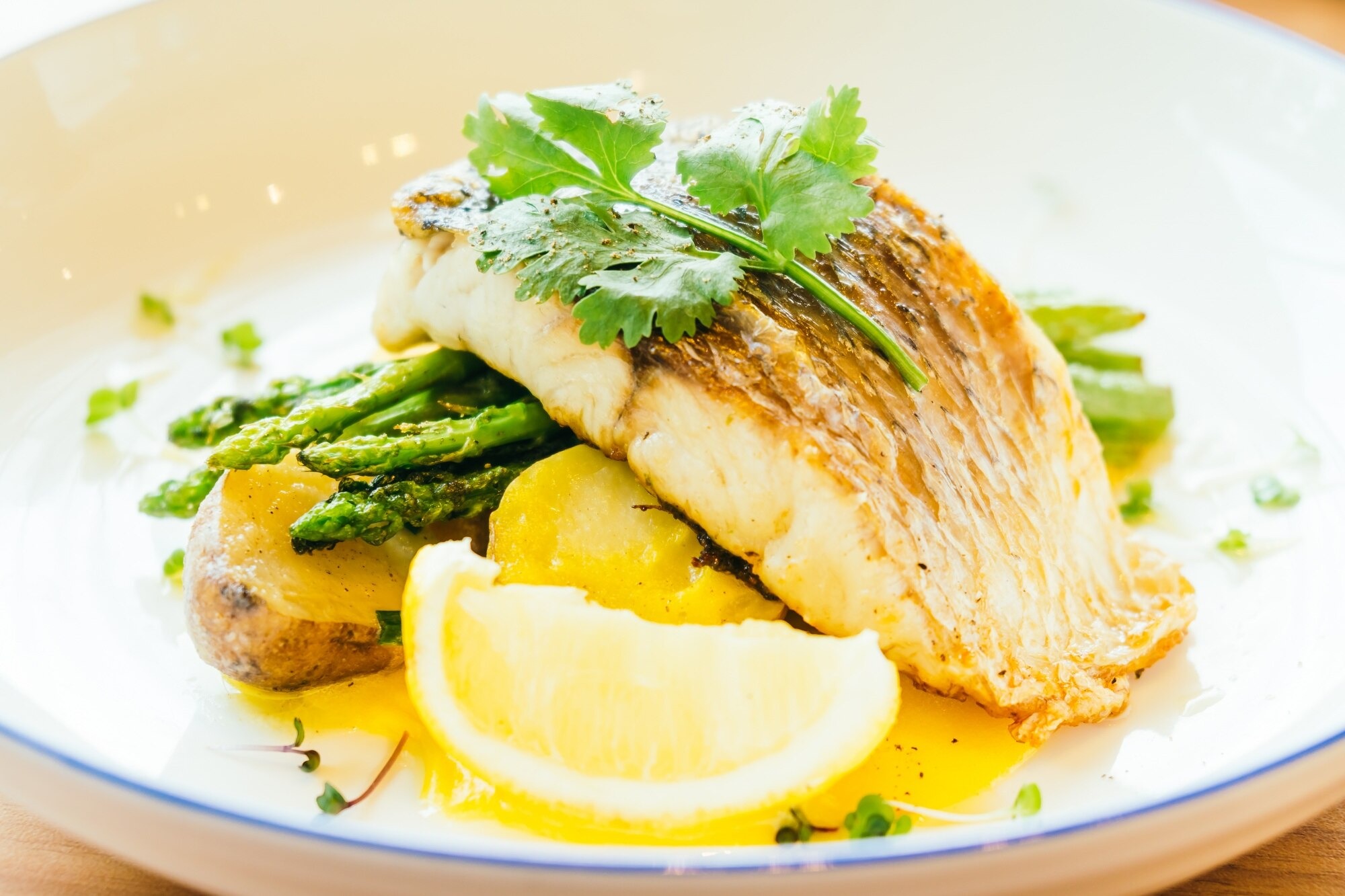
Think of a fish so flat it looks like it got run over by a truck.
Now think of that same fish being one of the most nutritious things you can put on your plate.
That is halibut. A huge, flat, almost alien-looking fish that can grow longer than a grown adult and weigh more than 200 kilograms. It lives deep in the cold waters of the North Pacific and North Atlantic oceans. And despite how strange it looks, it has one of the cleanest and most impressive nutritional profiles of any fish in the sea.
Most people have never tried halibut. Some have never even heard of it. But once you find out what this fish does for your body, you will start paying attention.
This blog covers everything. What halibut actually is, what is inside it, how much protein it has, and why eating it is genuinely good for you.
What Is Halibut Fish?
Halibut is a flatfish, which means its body is wide and flat rather than round like most other fish. It is one of the largest flatfish in the world. Some halibut grow up to 2.5 meters long and weigh over 200 kilograms. That is bigger than most sofas.
It lives at the bottom of cold, deep ocean waters. Its top side is dark brown or grey, so it blends into the ocean floor, and its underside is white. It has both eyes on the same side of its head, which looks very strange but helps it see while lying flat on the seabed.
The flesh of halibut is white, firm, and very mild in flavor. It does not have a strong fishy taste at all, which makes it one of the easiest fish to eat even for people who do not usually like fish. It holds its shape beautifully when cooked and works well grilled, baked, pan-fried, or even in a crispy batter. If you enjoy a good crispy fish dish, halibut works incredibly well in a crispy fish and chips recipe because its firm flesh stays together perfectly under heat.
Halibut Nutrition Facts
Here is what a standard 100g serving of cooked halibut gives you:
| Nutrient | Amount Per 100g |
|---|---|
| Calories | 110 to 130 kcal |
| Protein | 22 to 26g |
| Total Fat | 2 to 3g |
| Omega-3 Fatty Acids | 0.5 to 1g |
| Cholesterol | 50 to 60mg |
| Sodium | 60 to 80mg |
| Vitamin D | High |
| Vitamin B12 | High |
| Magnesium | Very High |
| Phosphorus | High |
| Selenium | High |
| Potassium | Moderate |
Look at those numbers for a moment. Over 22 grams of protein. Only 2 to 3 grams of fat. And just 110 to 130 calories per 100g. That is an extraordinary combination. Very few fish anywhere in the world can match halibut on this balance of high protein and low fat and low calories all at once.
These numbers show why halibut is considered one of the healthiest fish you can eat. And we have not even got to the vitamins and minerals yet.
Health Benefits of Halibut
Let us go through each benefit clearly so you understand exactly what halibut does for your body.
It Is Packed With Protein
This is where halibut really stands out. A 100g serving gives you 22 to 26 grams of protein, which is genuinely impressive for a fish this low in fat and calories. To put that in perspective, that is close to what you would get from chicken breast, which is one of the most protein-rich foods most people eat regularly.
Protein is something your body needs every single day. It builds and repairs your muscles. It helps your body heal when you are sick or hurt. It supports your immune system, which is what helps your body fight off illness. And it keeps you feeling full after a meal so you are not hungry again an hour later.
For anyone trying to build muscle, recover from exercise, or simply eat more protein without adding too many calories, halibut is one of the best choices available. If you want to see how halibut compares to other popular fish on protein, this breakdown of how much protein is in rohu fish gives you a useful comparison.
It Is Extremely Low in Fat and Calories
Halibut has only 2 to 3 grams of fat per 100g and around 110 to 130 calories per serving. That puts it firmly in the lean fish category, which means it is one of the lightest and cleanest sources of protein you can find anywhere.
This makes halibut a perfect everyday fish for people who want to eat well without worrying too much about calories or fat. You can eat a generous portion and still stay well within a healthy range for the day. There is very little else you need to adjust around it.
It Is Very Good for Your Heart
Even though halibut is low in fat overall, it still contains omega-3 fatty acids. These are the healthy fats that your heart needs to stay strong and work properly.
Omega-3s help reduce swelling inside your blood vessels. They help keep your cholesterol at a healthy level. And they lower the risk of heart disease over time. Most people simply do not get enough omega-3s from their daily meals. Eating halibut regularly is a simple and natural way to top them up without taking supplements.
It Is High in Magnesium
This is one of halibut’s most underrated benefits. Magnesium is a mineral that most people do not get enough of, and halibut is one of the better natural food sources of it.
Magnesium helps your muscles work properly. It supports healthy sleep. It helps your body manage stress. And it plays an important role in keeping your heart rhythm steady. When people do not get enough magnesium, they often feel tired, get muscle cramps, and have trouble sleeping properly. Eating halibut regularly helps keep your magnesium levels where they need to be.
It Contains Selenium
Selenium is a mineral that works as a shield for your body. It protects your cells from damage caused by things like stress, pollution, and aging. It also helps your thyroid work properly. Your thyroid is a small gland in your neck that controls your energy levels and how fast your body works. When your thyroid is not working well, you can feel very sluggish and tired all the time. Selenium keeps it healthy.
Halibut has a good amount of selenium in every serving, which adds another layer of real nutritional value beyond just protein and omega-3s.
It Is Rich in Vitamin B12 and Vitamin D
Halibut gives you two vitamins that a huge number of people are short on without even knowing it.
Vitamin B12 keeps your nerves working properly and helps your body make healthy red blood cells. When people do not get enough B12 they often feel constantly tired, have brain fog, and sometimes feel tingling in their hands and feet. Halibut is a natural and easy way to keep your B12 levels healthy.
Vitamin D helps your body absorb calcium, which keeps your bones strong. It also supports your immune system and helps your mood stay balanced. Many people do not get enough Vitamin D even in sunny countries because they spend most of their time indoors. Getting it through food like halibut is always better than relying on supplements alone.
It Is Good for Your Brain
The combination of omega-3 fatty acids, Vitamin B12, and magnesium in halibut makes it a genuinely good fish for brain health. Omega-3s support memory and clear thinking. B12 keeps your nerves sharp. And magnesium helps your brain manage stress and stay calm.
Eating fish like halibut regularly has been linked to better focus, better memory, and lower risk of memory problems as people get older. This is not just important for older adults. Children and teenagers benefit from these nutrients too, especially during school years when focus and learning really matter.
Is Halibut Good for Weight Loss?
Yes, absolutely. Halibut might actually be one of the best fish you can eat if losing weight is your goal.
Here is why. It is very high in protein, which keeps you full for a long time after eating. When you feel full, you eat less. You snack less. And you are less likely to overeat at your next meal. All of that adds up over time.
It is also extremely low in calories and fat, which means you can eat a proper satisfying portion without it costing you much in terms of your daily calorie count.
And because the fat in halibut is healthy omega-3 fat rather than the kind of fat found in processed or fried food, your body actually benefits from it rather than storing it.
If you are building a diet around fish for weight management, this guide on the best fish to eat for weight loss will help you make the smartest choices across all your meals.
How to Cook Halibut
Halibut is one of the easiest fish to cook because its firm white flesh holds together really well under heat. It does not fall apart, it does not go mushy, and it takes on flavor beautifully.
Grilling and baking are the best methods if you want to keep it light and healthy. A simple marinade of lemon, garlic, and olive oil with a pinch of salt is genuinely all you need. Pan-frying with a little butter gives you a golden crust that is hard to beat. And if you want something more filling and comforting, halibut works beautifully in a spiced fish biryani, where its firm flesh soaks up all the flavors without breaking apart. You can try it with this fish biryani recipe for a delicious and satisfying meal.
The one thing to watch with halibut is overcooking. Because it is so lean and low in fat, it dries out faster than oily fish like mackerel or surmai. Cook it just until the flesh turns opaque and flakes easily when pressed gently. That is when it is perfect.
A Few Things to Know Before You Buy Halibut
Halibut is a premium fish, which means it tends to cost more than everyday options like rohu or surmai. But the nutritional value it gives you per serving makes it well worth it when you can find it.
When buying fresh halibut, look for bright white flesh that looks moist and firm. It should smell clean and fresh like the sea. Avoid anything with a yellowing color, a dry texture, or a strong smell. Fresh halibut should look almost glossy and hold its shape when handled.
Halibut is also widely available frozen, and good quality frozen halibut gives you almost identical nutrition and flavor to fresh. Just make sure there are no thick ice crystals in the bag, which can mean the fish has been thawed and refrozen.
If you want to understand the bigger picture of why adding more fish to your diet is one of the best things you can do for your health, this guide on why eating fish is good for you explains it all simply and clearly.
Conclusion
Halibut does not look like much from the outside. It is flat, strange-looking, and lives at the bottom of the ocean. But what it does for your body is anything but ordinary.
High in protein, very low in fat, low in calories, and rich in magnesium, selenium, Vitamin B12, and Vitamin D. It is one of the most complete and nutritious fish you can eat, and one of the leanest sources of protein available from any food.
Whether you are eating it for the health benefits, for weight loss, or simply because you want to try something new and genuinely good, halibut is a fish that will not let you down.
Frequently Asked Questions
Is halibut safe to eat every week?
Yes, absolutely. Halibut is a low-mercury fish compared to larger predatory fish like bluefin tuna or swordfish. Eating it two to three times a week is perfectly fine for most healthy adults and gives your body a regular supply of protein, magnesium, and vitamins without any concern.
Does halibut taste fishy?
Not at all. Halibut has one of the mildest and cleanest flavors of any fish you will find. It is light, slightly sweet, and has almost no fishy smell when fresh. If someone in your family is put off by strong-tasting fish, halibut is one of the safest and most enjoyable places to start.
Is halibut better than chicken for protein?
They are very close. Halibut gives you 22 to 26 grams of protein per 100g, which puts it right alongside chicken breast. The difference is that halibut also brings omega-3 fatty acids, Vitamin B12, magnesium, and selenium that chicken simply does not carry. For overall nutrition, halibut is hard to beat.
Can I eat halibut if I am trying to lose weight?
Yes, and it is actually one of the best fish for it. Only 110 to 130 calories per 100g, barely any fat, and over 22 grams of protein that keeps you full for hours. You can eat a proper satisfying portion without it making a dent in your daily calorie count.
Disclaimer: The nutritional values in this blog are based on general averages and may vary depending on the specific catch, cooking method, and supplier. This content is for informational purposes only and does not constitute dietary or medical advice. If you have a specific health condition or nutritional requirement, please consult a qualified professional before making changes to your diet.