
Croaker Fish: What It Is, Nutrition Facts, and Health Benefits
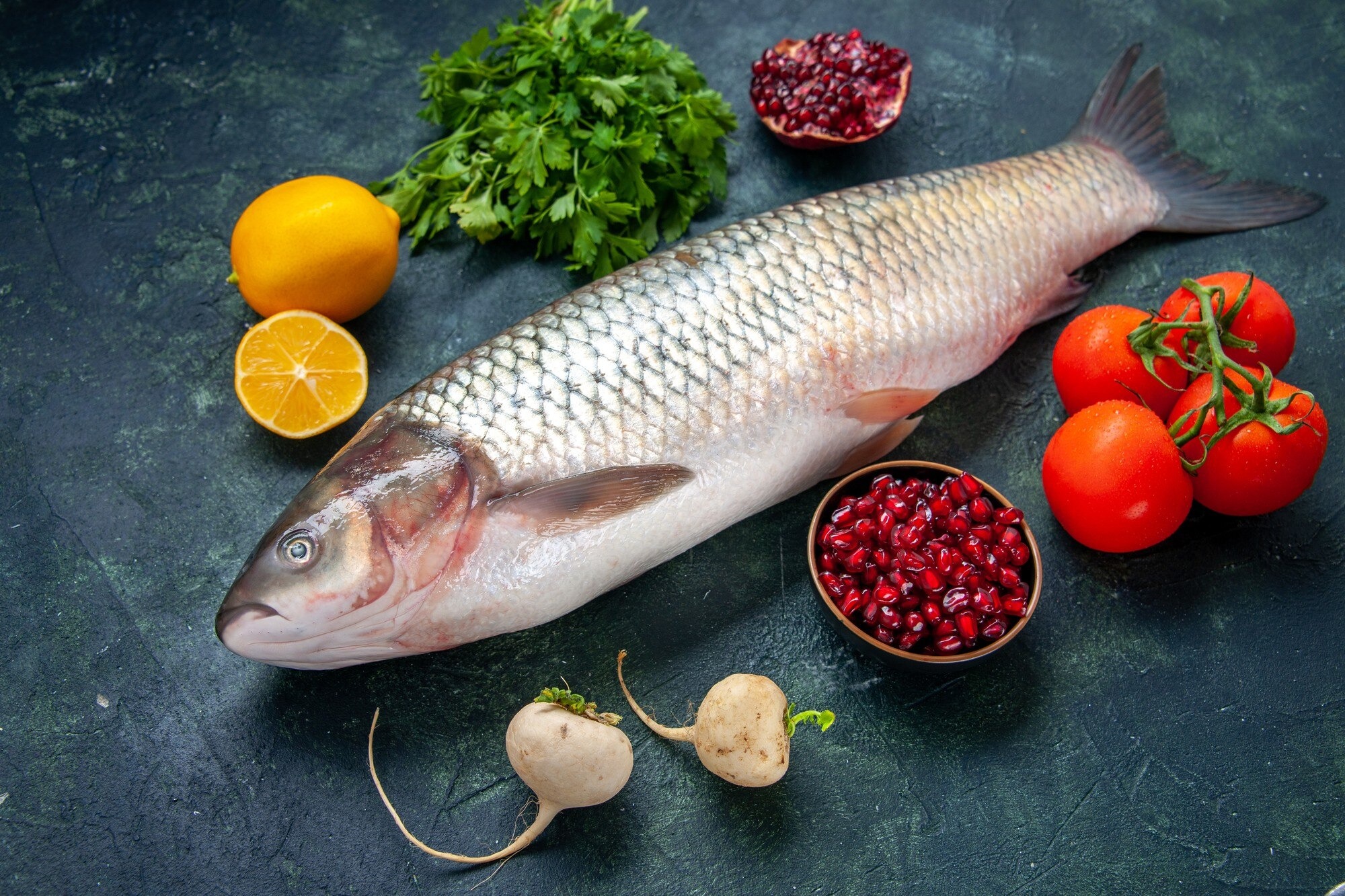
Not every good fish has to be expensive or complicated.
Croaker fish is a great example. It is a popular fish in many parts of the world and is known for its mild taste, soft flesh, and easy cooking. It can be fried, grilled, baked, or added to curries and other everyday meals.
But what is croaker fish, and is it actually good for you?
Croaker may not get as much attention as salmon, tuna, or mackerel, but it can still be a nutritious addition to your diet. It provides protein and other important nutrients without having an overpowering fishy taste.
In this guide, we will look at what croaker fish is, its nutrition, calories, taste, cooking methods, and the main benefits of croaker fish.
What Is Croaker Fish?
Croaker fish, also known as Mushka fish, is the common name used for several species of fish from the Sciaenidae family. The name comes from the unusual sound some of these fish make. Croakers can produce a croaking or drumming sound using special muscles around their swim bladder.
That is where the name “croaker” comes from. Croaker fish are found in saltwater environments, including coastal waters, estuaries, and other marine areas. Different species can vary in size, color, and appearance.
Some croakers are small enough for everyday cooking, while others can grow much larger. They are popular because their meat is usually mild, tender, and easy to season.
What Does Croaker Fish Taste Like?
Croaker fish has a mild and slightly sweet flavor. Its flesh is generally soft and flaky when cooked properly. It does not have the very strong taste that some people associate with oily fish.
This makes it a good option for people who want to eat more seafood but prefer a lighter flavor.
Croaker also takes on spices and marinades well. You can cook it with lemon, garlic, herbs, chili, turmeric, or other seasonings depending on the recipe. When fried, the outside can become crispy while the inside stays soft and juicy.
Croaker Fish Nutrition
One of the main reasons to include fish in your diet is its nutritional value, and croaker can be a useful source of several important nutrients.
The exact croaker fish nutrition profile depends on the species, serving size, and cooking method. A plain fillet will have a different nutritional profile from one that has been deep-fried or covered in a rich sauce.
Key Nutrients in Croaker Fish
| Nutrient | Why It Matters |
|---|---|
| Protein | Helps build and maintain muscles |
| Omega-3 fatty acids | Support normal heart and brain function |
| Vitamin B12 | Supports nerves and red blood cells |
| Selenium | Supports normal body functions and helps protect cells |
| Phosphorus | Helps support bones and teeth |
| Potassium | Helps support normal muscle and nerve function |
Fish can be a valuable part of a balanced diet because it provides protein and several important vitamins and minerals.
If you want to learn more about the bigger picture, our guide on why eating fish is good for you explains why fish is such a useful food to include in regular meals.
Is Croaker Fish High in Protein?
Yes, croaker fish can be a good source of protein. Protein is needed by your body to build and maintain muscles, skin, bones, and other tissues. It also helps make meals more filling.
This makes croaker a useful choice for lunch or dinner when you want a protein-rich meal. You can pair it with vegetables, salad, rice, or other foods to create a balanced meal.
Benefits of Croaker Fish
So, what are the benefits of croaker fish?
Like many other types of fish, croaker can provide several nutrients that support normal body functions. It can be a healthy part of a varied diet, especially when prepared using simple cooking methods.
1. It Provides Quality Protein
Protein is one of the most important nutrients found in fish. Your body uses protein to build and repair tissues. It also helps maintain muscle.
Croaker provides protein without adding carbohydrates, making it a simple way to include more protein in your meals. For a balanced plate, serve it with vegetables, whole grains, rice, or a fresh salad.
2. It Provides Omega-3 Fatty Acids
Croaker fish can contain omega-3 fatty acids. Omega-3s are important fats that play several roles in the body. They are especially well known for their connection with heart and brain health.
The amount of omega-3 can vary between different croaker species and depending on whether the fish is wild or farmed. This is one reason why eating different types of fish can be useful. Each fish can offer a slightly different nutritional profile.
For comparison, mackerel is another fish that is well known for its omega-3 content. You can learn more in our guide to mackerel nutrition facts.
3. It Contains Vitamin B12
Croaker fish can also provide vitamin B12. Your body needs vitamin B12 for normal nerve function and for making red blood cells.
Fish and other animal foods are natural sources of this vitamin. Including fish such as croaker in a varied diet can therefore help you get important nutrients through everyday foods.
4. It Provides Selenium
Selenium is a mineral that your body needs in small amounts. It helps support normal thyroid function and protects cells from oxidative damage.
Croaker can contribute selenium to your diet along with other seafood and foods such as eggs, meat, nuts, and grains.
5. It Can Support a Balanced Diet
Croaker is easy to fit into many different types of meals. You can cook it with vegetables for a light dinner, serve it with rice for a filling meal, or fry it with simple spices when you want something crispy.
The fish itself is only one part of the meal, though. What you cook with it matters too. A grilled croaker served with vegetables is very different from deep-fried croaker served with a heavy sauce.
Choosing simple cooking methods can help you get the nutritional benefits of the fish without adding too much extra oil.
6. It Can Be a Good Choice for Weight Management
Croaker can fit into a weight-conscious diet because it provides protein and can be prepared without a lot of added fat. Protein can help you feel satisfied after eating, which can make it easier to build balanced meals.
But it is important to remember that no single food causes weight loss. Your overall diet, portion sizes, activity, and total calorie intake all matter.
If you are looking for other fish that can fit into a weight-conscious eating plan, you can also read our guide to the best fish to eat for weight loss.
How Many Calories Does Croaker Fish Have?
The number of calories in croaker fish depends on the species, portion size, and cooking method. Plain fish that is grilled or baked will generally contain fewer calories than fish that is deep-fried in oil.
The coating also matters. For example, a croaker fillet coated in flour and fried will have more calories than the same amount of fish cooked with a small amount of oil.
If you are watching your calorie intake, grilling, baking, steaming, or pan-cooking with a small amount of oil can be a better choice.
Is Croaker Fish Healthy?
Yes, croaker fish can be a healthy choice as part of a balanced diet. It provides protein and several vitamins and minerals. Depending on the species, it can also provide useful omega-3 fatty acids.
However, the way you prepare the fish matters. Grilling or baking keeps the meal relatively simple. Deep-frying adds more oil and calories.
So if you are asking “is croaker fish healthy?”, the answer is generally yes, but your cooking method and portion size still matter.
How Should You Cook Croaker Fish?
Croaker is a versatile fish, so there are plenty of ways to cook it.
You can:
- Fry it with simple spices
- Grill it with lemon and herbs
- Bake it with garlic and vegetables
- Add it to a fish curry
- Pan-fry it with a small amount of oil
- Serve it with rice and salad
If you enjoy crispy fish, our fish tawa fry recipe is another simple recipe to try. You can also try this crispy fish and chips recipe for a classic crispy seafood meal.
The most important thing is not to overcook croaker. Fish cooks fairly quickly, and leaving it on the heat for too long can make the flesh dry.
Is Croaker Fish Good for Frying?
Yes. Croaker can be especially good for frying because its flesh is tender and mild. You can season it with salt, chili, turmeric, garlic, lemon juice, or other spices before coating it lightly with flour or another crispy coating.
Make sure the oil is hot before adding the fish. If the oil is too cold, the fish can absorb more oil and become greasy instead of crisp.
Do not overcrowd the pan either. Cooking in smaller batches helps maintain the oil temperature and gives the fish a better crust.
Conclusion
So, what is croaker? Croaker is a group of fish known for their mild flavor, tender flesh, and unusual croaking sound.
It can be a nutritious addition to your meals because it provides protein and important nutrients such as vitamin B12 and selenium. Some types can also provide omega-3 fatty acids.
The benefits of croaker fish make it a useful choice for people who want to include more seafood in their diet. It is also easy to cook. You can fry it, grill it, bake it, or add it to a curry. Whether you like your fish crispy and spicy or light and simple, SeaFresh makes it easy to explore quality seafood options for your next meal.
Frequently Asked Questions
What is croaker fish?
Croaker fish is the common name for several species from the Sciaenidae family. They are found in coastal waters and are known for their mild flavor and tender flesh.
What does croaker fish taste like?
Croaker has a mild, slightly sweet flavor and soft, flaky flesh when cooked properly. It is generally less strong-tasting than many oily fish.
Is croaker fish healthy?
Yes. Croaker can be a healthy source of protein and provides nutrients such as vitamin B12, selenium and phosphorus. Some species also provide omega-3 fatty acids.
What are the benefits of croaker fish?
The benefits of croaker fish include providing protein, vitamins, minerals, and, depending on the species, omega-3 fatty acids. It can also fit into a balanced and weight-conscious diet.
Disclaimer: This article is for general informational purposes only and is not intended to provide medical advice. Nutritional values can vary depending on the croaker species, serving size, source, and cooking method. If you have a specific health condition, food allergy, or dietary concern, speak with a qualified healthcare professional before making major changes to your diet.