
Mackerel Nutrition Facts, Health Benefits, and Why This Fish Is Worth Eating Every Week
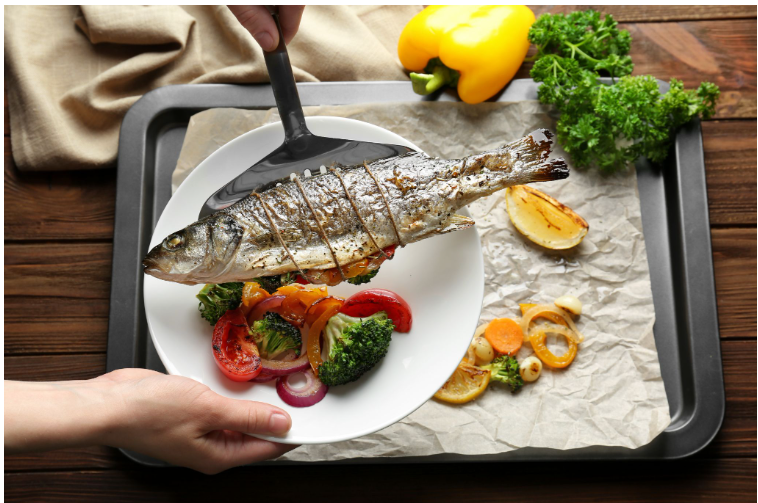
If you have never really thought much about mackerel, you are not alone. It is one of those fish that does not always get the attention it deserves. Most people walk past it at the fish counter and go straight for something more familiar. But once you understand what mackerel actually does for your body, you will start looking at it very differently.
Mackerel is affordable. It is easy to cook. It is available almost everywhere. And from a nutrition point of view, it is one of the most powerful fish you can eat. This blog covers everything you need to know about mackerel nutrition facts, its health benefits, how much protein it has, and why it deserves a regular spot in your meals.
What Is Mackerel?
Mackerel is a medium-sized fish found in oceans around the world, including the Arabian Sea. In Pakistan, Indian Mackerel (Bangda) is one of the most popular varieties. Another common option is Horse Mackerel (Kawwa). Both are rich in protein, healthy fats, and omega-3 fatty acids, making them excellent choices for everyday meals. They belong to the same fish family as tuna and are known for their rich, slightly strong flavor and oily flesh.
The flesh of mackerel is darker than fish like surmai or rohu. It has a bold taste that works really well with spices, marinades, and sauces. You can grill it, fry it, bake it, or cook it in a curry. It is also one of the most commonly canned fish in the world, which makes it easy to keep at home and use whenever you need a quick meal.
Mackerel Nutrition Facts
Here is what a standard 100g serving of cooked mackerel gives you:
| Nutrient | Amount Per 100g |
|---|---|
| Calories | 200 to 220 kcal |
| Protein | 18 to 22g |
| Total Fat | 13 to 16g |
| Omega-3 Fatty Acids | 2 to 2.5g |
| Cholesterol | 70 to 80mg |
| Sodium | 90 to 110mg |
| Vitamin D | Very High |
| Vitamin B12 | Extremely High |
| Selenium | High |
| Magnesium | Moderate |
| Phosphorus | High |
One thing you will notice right away is that mackerel has more fat and more calories than a leaner fish like surmai. But do not let that put you off. The fat in mackerel is mostly omega-3 fat, which is the healthy kind your body actually needs and uses. More fat also means more flavor, which is part of why mackerel tastes so good with simple seasoning.
These nutrition facts apply to mackerel in general, including popular varieties like Indian Mackerel (Bangda) and Horse Mackerel (Kawwa). While the exact values may vary slightly, both are excellent sources of protein, omega-3 fats, vitamins, and minerals.
Health Benefits of Mackerel
Let us go through each benefit clearly so you understand exactly what mackerel does for your body.
It Is a Strong Source of Protein
Your body needs protein every day. Protein builds and repairs your muscles. It helps your body heal when you are sick or injured. It supports your immune system, which is what helps your body fight illness. And it keeps you feeling full after a meal so you do not get hungry again too quickly.
A 100g serving of mackerel gives you around 18 to 22 grams of protein. That is a solid amount for a fish of its size. It is not quite as high as surmai or chicken breast, but it is still very good and more than enough to make mackerel a strong protein source in your daily diet.
For anyone who wants to eat more protein through fish rather than meat, mackerel is a great option. If you want to see how different fish compare on protein, this breakdown of how much protein is in rohu fish gives you a useful point of comparison.
It Is One of the Best Fish for Your Heart
This is where mackerel really stands out. It has one of the highest omega-3 fatty acid contents of any commonly available fish. A 100g serving gives you around 2 to 2.5 grams of omega-3s, which is significantly more than many other fish.
Omega-3s are healthy fats that do a lot of good things for your heart. They help reduce swelling inside your blood vessels. They help keep your cholesterol at a healthy level. Too much bad cholesterol in your blood can block your blood vessels and make your heart work too hard. Omega-3s help prevent that from happening. They also help lower the risk of heart disease over time.
Most people simply do not eat enough omega-3s through their regular meals. Eating mackerel a few times a week is one of the easiest and most affordable ways to fix that without taking supplements every day.
It Keeps Your Brain Healthy
Omega-3s do not just look after your heart. They are also very important for your brain. Your brain is made up largely of fat, and it needs healthy fats like omega-3s to work properly.
Eating mackerel regularly can help you think more clearly and remember things better. It also helps protect your brain as you get older. People who eat oily fish like mackerel often tend to have fewer memory problems as they age. This benefit is not just for older people. Children and teenagers also gain better focus and learning ability from regular omega-3 intake.
If you have school-going children at home, adding mackerel to their meals a couple of times a week is a simple and affordable way to support their brain health.
It Is Extremely Rich in Vitamin B12
Mackerel is one of the best natural food sources of Vitamin B12 you can find. In fact, a single 100g serving can give you more than your full daily requirement of this vitamin.
Vitamin B12 keeps your nerves working properly. It helps your body make healthy red blood cells. It also plays a big role in keeping your energy levels up throughout the day. When people do not get enough B12, they often feel very tired, have trouble focusing, and sometimes feel tingling or numbness in their hands and feet.
Eating mackerel regularly means your body is getting all the B12 it needs from a natural food source. You do not need supplements when your diet already includes fish like this.
It Has a Lot of Vitamin D
Vitamin D is something a huge number of people are short on, even in sunny countries. Many people spend most of their time indoors and simply do not get enough sunlight to produce the Vitamin D their body needs.
Mackerel is one of the richest natural food sources of Vitamin D available. Vitamin D helps your body absorb calcium, which keeps your bones strong and healthy. It also supports your immune system and helps your body fight off illness. Getting Vitamin D through food is always better than relying on supplements alone, and mackerel makes that very easy.
It Contains Selenium and Magnesium
Mackerel also gives you selenium and magnesium, two minerals that most people do not think about but genuinely need.
Selenium protects your body’s cells from damage. It helps your thyroid work properly. Your thyroid is a small gland that controls your energy levels and how fast your body works. When it is not working well, you can feel very tired and sluggish all the time. Selenium helps keep it healthy.
Magnesium helps your muscles work properly. It also supports healthy sleep and helps your body manage stress. Most people do not get enough magnesium from their daily food, and mackerel is a natural way to top it up.
Mackerel Calories and Is It Good for Weight Loss?
Mackerel has around 200 to 220 calories per 100g, which is higher than leaner fish like surmai. This is because of its higher fat content. But here is the important thing. The fat in mackerel is healthy omega-3 fat, not the kind of fat that causes weight gain or health problems.
Mackerel is still a good choice if you are trying to manage your weight. It is high in protein, which keeps you full for a long time and reduces the chances of overeating later in the day. The key is how you cook it. Grilling or baking mackerel keeps the calorie count manageable. Deep frying adds a lot of extra fat and calories that are not doing your body any favors.
If you are building a diet around fish for weight management, it is worth knowing which fish work best for this goal. This guide on the best fish to eat for weight loss covers everything you need to make smart choices.
Fresh vs Canned Mackerel
One great thing about mackerel is that it is widely available in canned form. Canned mackerel is affordable, easy to store, and still gives you most of the same nutritional benefits as fresh mackerel. The protein and omega-3 content stays largely intact through the canning process.
The one thing to watch with canned mackerel is sodium. Some canned varieties are packed in brine, which means they can be quite salty. Look for versions packed in water or olive oil if you want to keep your sodium intake lower. Rinsing canned mackerel before eating also helps reduce the salt content.
For everyday quick meals, canned mackerel mixed into pasta, rice, or a simple salad is one of the easiest ways to get a nutritious meal on the table fast.
A Few Things to Know Before You Buy Mackerel
Like surmai and other large fish, mackerel can contain some mercury. For most healthy adults eating it a few times a week, this is not a concern at all. But pregnant women and very young children are generally advised to be a little careful with oily fish and should check with a doctor about how much is appropriate.
When buying fresh mackerel, look for bright, clear eyes, firm flesh, and a clean, fresh smell. The skin should be shiny, and the colors should look vivid. Dull skin, soft flesh, or a strong unpleasant smell are signs the fish is not fresh.
Conclusion
Mackerel is one of the most nutritious and underrated fish you can eat. It is packed with protein, omega-3 fatty acids, Vitamin B12, Vitamin D, selenium, and magnesium. It is affordable, easy to cook, and available fresh or canned almost everywhere.
Whether you eat it grilled, baked, fried, or straight from a can, you are giving your body something genuinely good every single time. If mackerel is not already part of your regular meals, now is a great time to start.
Frequently Asked Questions
1. Is canned mackerel as healthy as fresh mackerel?
Pretty much yes. The protein and omega-3 content stays largely intact through canning. Just watch the sodium levels and go for versions packed in water or olive oil rather than brine.
2. How many times a week should I eat mackerel?
Two to three times a week is a good amount for most healthy adults. That gives your body a regular supply of omega-3s and protein without overdoing it.
3. Is mackerel good for kids?
Yes, it is a great fish for children. The omega-3s support brain development and help with focus at school, and the protein and vitamins are important for growing bodies.
Disclaimer: The nutritional values in this blog are based on general averages and may vary depending on the specific type of mackerel, cooking method, and supplier. This content is for informational purposes only and does not constitute dietary or medical advice. If you have a specific health condition or nutritional requirement, please consult a qualified professional before making changes to your diet.