
Types of Tuna, Sizes, and Everything You Need to Know Before You Buy
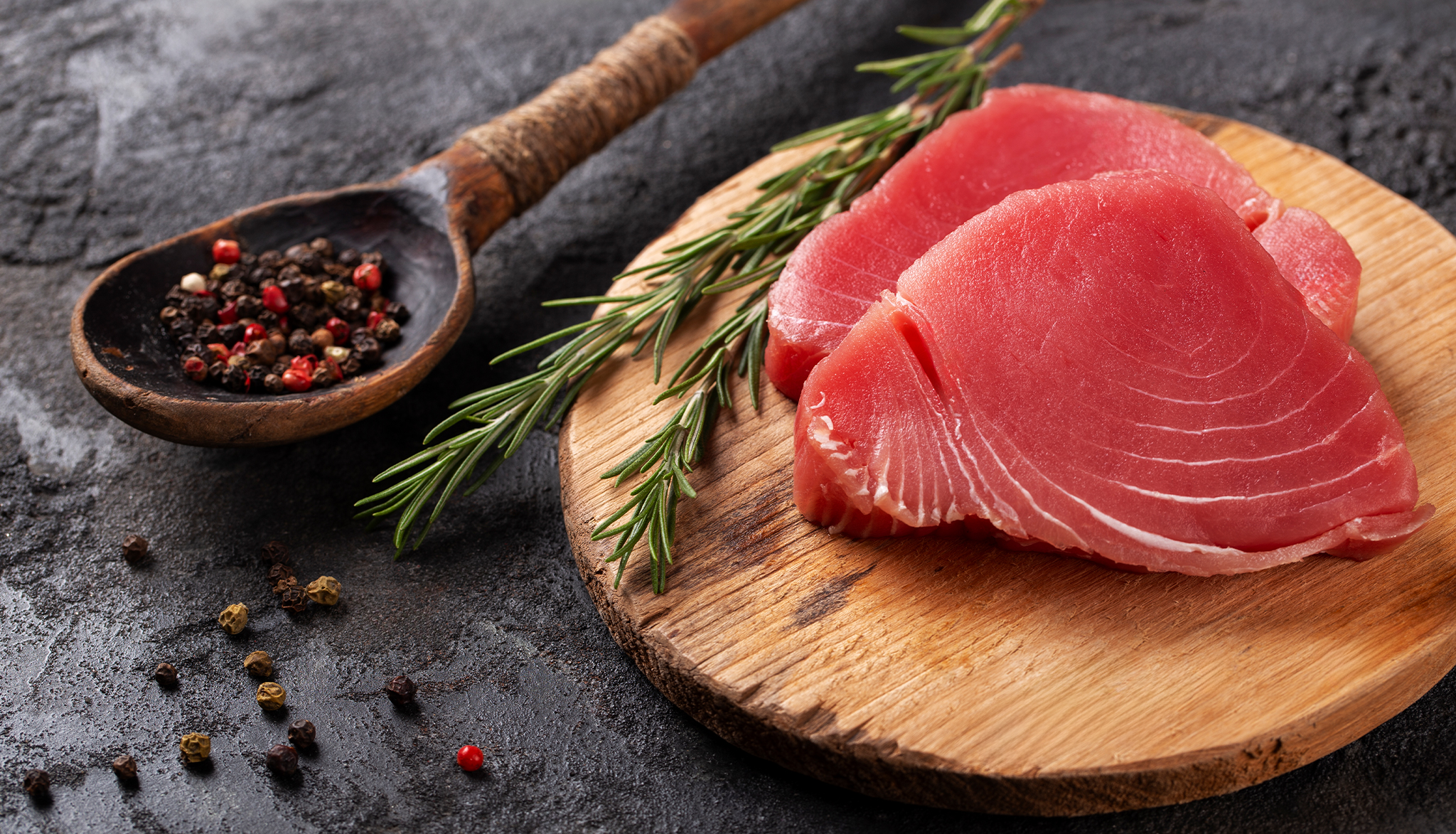
Let us start with something that might surprise you.
A fully grown bluefin tuna can weigh as much as a small car. We are talking up to 680 kilograms. That is not a fish. That is a sea monster with fins. And yet that same fish, sliced thin and placed on a piece of rice, becomes one of the most delicious bites of food on the planet.
Tuna is one of those things that most people think they know. You have eaten it from a can. You have seen it on a sushi menu. Maybe you have ordered a tuna steak at a restaurant. But the word tuna actually covers several completely different fish, each with its own size, flavor, texture, and best use in the kitchen. If you are curious why fish belongs in your diet at all, this guide on why eating fish is good for you is a great place to start.
This blog introduces you to all of them. By the end, you will know exactly which tuna is which, how big they actually get, and which one belongs on your plate.
Meet the Tuna Family
Think of tuna like a family. They are all related. They all live in the ocean. But each one has its own personality, its own size, and its own strengths. Some are giants. Some are small and mild. Some are rich and oily. Some are light and affordable. Let us meet them one by one.
Bluefin Tuna: The Giant of the Sea
If tuna had a king, it would be the bluefin. This is the largest tuna in the world and one of the most powerful fish in the entire ocean. Bluefin tuna can grow up to 3 meters long and weigh anywhere from 250 to 680 kilograms. To put that in perspective, that is heavier than a horse.
Bluefin tuna are built for speed. They can swim at up to 70 kilometers per hour, which makes them one of the fastest fish alive. Their body is shaped like a torpedo, and their flesh is deep red and incredibly rich in flavor.
This is the tuna you find in high-end sushi restaurants. A single bluefin tuna can sell for hundreds of thousands of dollars at auction in Japan. The fat content in bluefin is very high, which gives it a buttery, melt-in-your-mouth texture that no other tuna can match.
Because bluefin is so rare and expensive, most people will only ever taste it at a restaurant. It is not something you will find in a can at your local shop.
- Flavor: Very rich and buttery
- Texture: Soft and fatty
- Best for: Sushi, sashimi, special occasions
- Average size: 250 to 680 kg
Yellowfin Tuna: The All-Rounder
Yellowfin tuna is the one most people are actually eating when they order fresh tuna at a restaurant. It is smaller than bluefin, usually ranging from 30 to 200 kilograms, but it is still a big and powerful fish.
You can spot yellowfin by its bright yellow fins and sleek silver body. The flesh is pink to deep red and has a clean, mild flavor that is not too strong. It is firm enough to grill, rich enough to enjoy raw, and versatile enough to work in almost any recipe. If you want to put this fish to work in the kitchen, check out this tuna steak recipe.
Yellowfin is also one of the most widely caught tunas in the world. It is used in high-quality canned tuna, sold fresh at fish markets, and served as tuna steaks at restaurants all over the world. If you have eaten a tuna steak that was not described as bluefin, it was almost certainly yellowfin.
- Flavor: Mild and clean
- Texture: Firm and meaty
- Best for: Grilling, tuna steaks, high-quality canned tuna
- Average size: 30 to 200 kg
Skipjack Tuna: The One in Your Can
Here is something most people do not know. The tuna in the can sitting in your kitchen cupboard is almost certainly not yellowfin or bluefin. It is skipjack.
Skipjack is the smallest of the commonly eaten tunas, usually weighing between 3 and 15 kilograms. It is a much lighter fish with a softer texture and a stronger, more pronounced flavor than yellowfin. It is also the most widely caught fish in the entire world, which is why it is the go-to choice for canned tuna production.
Skipjack is affordable, widely available, and still gives you good protein and omega-3s in every serving. It is not the fish you would choose for a tuna steak or sushi, but for everyday meals like sandwiches, pasta, and salads, it does the job perfectly well.
- Flavor: Stronger and more pronounced
- Texture: Softer and flakier
- Best for: Canned tuna, everyday cooking, quick meals
- Average size: 3 to 15 kg
Albacore Tuna: The White Tuna
If you have ever seen canned tuna labeled as white tuna, that is albacore. It is a medium sized tuna, usually between 10 and 40 kilograms, and it stands out from the others because of its pale, almost white flesh.
Albacore has a milder and lighter flavor than skipjack, which is why a lot of people prefer it. The texture is firmer than skipjack but not as dense as yellowfin. It is a great middle-ground option for people who find regular canned tuna too strong but still want the nutritional benefits of eating fish regularly.
Albacore is also a good source of omega-3 fatty acids, though it does tend to carry slightly more mercury than smaller tunas like skipjack. Eating it in moderation a few times a week is perfectly fine for most healthy adults.
- Flavor: Mild and light
- Texture: Firm and pale
- Best for: Premium canned tuna, salads, sandwiches
- Average size: 10 to 40 kg
Bigeye Tuna: The Deep Water Hunter
Bigeye tuna gets its name from its large, distinctive eyes, which help it see in the deep, dark waters where it likes to hunt. It is a big fish, usually between 60 and 200 kilograms, and it sits somewhere between bluefin and yellowfin in terms of flavor and fat content.
The flesh of bigeye is deep red and quite fatty, which gives it a rich flavor that is very popular in sushi and sashimi. It is often used as a more affordable substitute for bluefin in high-end Japanese restaurants because the taste and texture are quite similar.
Bigeye is not as widely available as yellowfin or skipjack, but if you come across it at a good fish market, it is absolutely worth trying.
- Flavor: Rich and deep
- Texture: Fatty and smooth
- Best for: Sushi, sashimi, raw preparations
- Average size: 60 to 200 kg
Bluefin vs Yellowfin: What Is Actually the Difference?
This is the question most people want answered, so here it is simply.
Bluefin is bigger, fatter, richer, and far more expensive. It is the most prized tuna in the world and is eaten almost exclusively as sushi or sashimi. Most people will only ever eat it at a high end restaurant.
Yellowfin is smaller, leaner, and much more affordable. It has a clean mild flavor that works well grilled, pan fried, or eaten raw. It is the tuna you are most likely to find at a good fish market or order as a tuna steak at a restaurant.
If you are cooking at home and want fresh tuna, yellowfin is the right choice. If you are eating at a sushi restaurant and want the very best experience, bluefin is what you are looking for.
Here is a simple size guide so you can see how all the types compare:
| Type | Average Weight | Average Length |
|---|---|---|
| Bluefin | 250 to 680 kg | Up to 3 meters |
| Bigeye | 60 to 200 kg | Up to 2.5 meters |
| Yellowfin | 30 to 200 kg | Up to 2 meters |
| Albacore | 10 to 40 kg | Up to 1.2 meters |
| Skipjack | 3 to 15 kg | Up to 1 meter |
Which Tuna Should You Actually Buy?
For everyday cooking and quick meals, skipjack from a can is your best friend. It is affordable, widely available, and still gives you solid protein. If you want to see how fish protein compares across popular local options, check out how much protein is in rohu fish for a useful comparison.
For grilling or cooking a proper tuna steak at home, go with yellowfin. It holds up to heat beautifully and has a flavor that works with simple seasoning. Browse these grilled fish recipes for inspiration. If you are looking for fresh tuna in Pakistan, you can also check out this Tuna (Dawan) Fish, which is available in different cuts including steaks, slices, and boneless fillets.
For sushi or a special meal, bigeye or bluefin is worth the extra cost if you can find it.
And if you are eating tuna as part of a weight management plan, the leaner varieties like skipjack and albacore are the smarter picks. For a full guide on choosing fish for weight loss, this breakdown of the best fish to eat for weight loss covers everything you need.
Why Do People Buy Tuna Fish?
People buy tuna for different reasons. Some want a quick and affordable source of protein, while others buy fresh tuna for grilling, sushi, or special meals. Tuna is popular because it is easy to prepare, nutritious, and available in many forms.
Why People Buy Tuna
- For protein: Tuna is a convenient source of high-quality protein, making it popular with people who want filling meals.
- For quick meals: Canned tuna can be added to sandwiches, salads, pasta, wraps, and rice without much preparation.
- For grilling: Fresh yellowfin tuna is a popular choice for tuna steaks because its firm texture holds up well when cooked.
- For sushi and sashimi: Bluefin and bigeye tuna are highly valued for their rich flavor and soft, fatty texture.
- For healthy meals: Tuna contains omega-3 fatty acids and other important nutrients, making it a popular choice for people looking to include more fish in their diet.
- For convenience: Canned tuna has a long shelf life and does not require the same preparation as fresh fish.
A Few Things Worth Knowing
Larger tunas like bluefin and bigeye tend to carry more mercury than smaller ones like skipjack. For most healthy adults eating tuna a few times a week, this is not a concern. But pregnant women and young children should stick to lower mercury options like skipjack and albacore and check with a doctor about how much is safe.
When buying fresh tuna, look for deep red or pink flesh that looks moist and firm. It should smell clean and fresh, not strong or sour. Avoid anything with brown edges or a dull color.
Conclusion
Tuna is not just one fish. It is a whole family of fish, each with its own size, flavor, and best use. From the giant bluefin that can weigh as much as a car to the small skipjack sitting in a can in your kitchen, every type of tuna has something to offer.
Now that you know the difference, you can stop guessing at the fish counter and start making choices that actually suit what you are cooking and what you want to eat.
Frequently Asked Questions
1. Is the tuna in a can the same as a tuna steak?
No, they are usually different fish. Canned tuna is mostly skipjack, which is small and has a strong flavor. Tuna steaks are usually yellowfin, which is bigger and much milder. Same name but very different fish.
2. Is bluefin tuna really worth the price?
If you get the chance to try it, yes. It has a rich, buttery flavor that no other tuna can match. But for everyday cooking at home, yellowfin gives you great quality at a much lower price.
3. Which tuna has the least mercury?
Skipjack is the safest choice. It is a small fish and does not carry as much mercury as bigger tunas like bluefin. If you eat canned tuna often, skipjack is the best option.
4. Can I eat tuna every day?
A few times a week is better than every day. Tuna carries some mercury, and eating too much of it over time is not good for your body. Canned skipjack is the safest pick if you want to eat tuna very often.
Disclaimer: The information in this blog is for general educational purposes only. Tuna sizes, species, and availability may vary by location and supplier. Nutritional details are general estimates and can differ based on preparation methods. If you have a specific health condition or dietary requirement, please consult a qualified professional before making changes to your diet.