
Flounder Fish: Nutrition Facts and Health Benefits
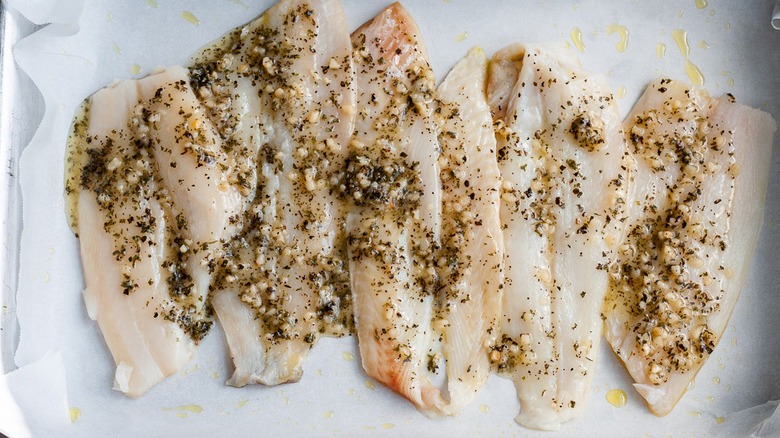
Most people walk straight past flounder at the fish counter. They go for something they recognize. Something familiar. Something they have cooked before. And flounder just sits there. Flat. Quiet. Completely overlooked.
Here is the thing, though. That flat, quiet, easy-to-ignore fish is secretly one of the healthiest things you can eat. Low in calories. High in protein. Packed with vitamins your body is probably begging for. And it tastes so mild and clean that even people who do not usually like fish tend to enjoy it.
So if you have been walking past flounder your whole life, this blog is about to change that.
What Even Is Flounder?
Flounder is a flatfish, just like halibut, but much smaller and more delicate. It lives on the ocean floor in shallow coastal waters and is found across the Atlantic, Pacific, and many other seas around the world.
Its body is wide and flat with both eyes sitting on the same side of its head. It uses this to its advantage, lying flat on the seabed and blending into the sand while it waits for smaller fish to swim past. Not the most exciting lifestyle, but it works.
What makes flounder special in the kitchen is its flesh. It is white, soft, and has one of the mildest flavors of any fish you will ever try. It does not taste fishy at all. It is light, slightly sweet, and almost melts in your mouth when cooked properly. This makes it a brilliant choice for people who are new to eating fish or who find stronger fish like mackerel a little too bold.
What Does Flounder Actually Taste Like?
This is the question most people have before trying it for the first time.
Flounder tastes clean, mild, and slightly sweet. There is no strong fishy smell or flavor. The texture is soft and delicate, nothing like the firm bite of halibut or surmai. It is gentle on the palate, which means it pairs beautifully with almost any seasoning, sauce, or cooking style you can think of.
If you have ever had a piece of fish that was so light it barely felt like eating fish at all, that is flounder. And that is exactly why so many people love it once they finally try it.
What Is Actually Inside Flounder: The Nutrition Facts
Here is what a standard 100g serving of cooked flounder gives you:
| Nutrient | Amount Per 100g |
|---|---|
| Calories | 90 to 100 kcal |
| Protein | 18 to 21g |
| Total Fat | 1 to 2g |
| Omega-3 Fatty Acids | 0.3 to 0.5g |
| Cholesterol | 50 to 60mg |
| Sodium | 80 to 100mg |
| Vitamin B12 | Very High |
| Vitamin D | Moderate |
| Magnesium | Moderate |
| Phosphorus | High |
| Selenium | High |
| Potassium | Moderate |
Take a good look at those numbers.
Under 100 calories. Less than 2 grams of fat. And close to 20 grams of protein. That is one of the leanest nutritional profiles of any fish in the sea. Flounder is not just healthy. It is one of the lightest and cleanest sources of protein you can find anywhere in the food world.
And that is before we even talk about the vitamins and minerals packed inside every single serving.
What Flounder Actually Does for Your Body
Let us go through each benefit one by one. No complicated words. Just straight facts about what this fish does for you.
It Fills You Up Without Filling You Out
Flounder gives you 18 to 21 grams of protein per 100g with less than 100 calories and barely any fat. That is a remarkable combination.
Protein is the most filling nutrient there is. When you eat enough of it, you stay full for longer. You snack less. You eat less at your next meal without even trying. And all of this happens without loading your body with extra calories or fat.
For anyone trying to eat healthier, lose weight, or simply feel more satisfied after meals, flounder is one of the smartest fish you can choose. If you want to see how it compares to other lean local fish on protein content, this breakdown of how much protein is in rohu fish is worth a look.
Your Heart Will Thank You for Eating This
Flounder contains omega-3 fatty acids. The amount is lower than oily fish like mackerel or surmai, but it is still there and still doing good things for your heart.
Omega-3s help reduce swelling inside your blood vessels. They help keep your cholesterol balanced. And they lower the risk of heart disease over time. Most people do not get enough omega-3s from their daily food. Even a moderate amount from flounder a few times a week adds up and makes a real difference over the long term.
It Is Loaded With Vitamin B12
This is one of flounder’s biggest strengths. It is an excellent natural source of Vitamin B12, a vitamin that a surprisingly large number of people are short on without even knowing it.
B12 keeps your nerves working properly. It helps your body make healthy red blood cells. It keeps your energy levels up throughout the day. When people do not get enough of it they feel constantly tired, struggle to focus, and sometimes feel a strange tingling in their hands or feet.
Eating flounder regularly is one of the simplest and most natural ways to keep your B12 levels healthy without needing supplements.
Selenium: The Mineral Your Body Quietly Needs
Flounder is a good source of selenium, a mineral that most people never think about but genuinely cannot do without.
Selenium protects your cells from damage. It keeps your thyroid healthy. Your thyroid is the small gland in your neck that controls your energy and your metabolism. When it is not working properly you feel tired, sluggish, and like your body is running on empty. Selenium helps keep it working the way it should.
It also supports your immune system, which is your body’s defense against illness. Getting selenium regularly through food like flounder means your body has what it needs to stay protected.
Strong Bones Start Here
Flounder is high in phosphorus, which works together with calcium to keep your bones and teeth strong. Most people focus only on calcium when thinking about bone health, but phosphorus is just as important. Without enough of it your body cannot use calcium properly.
Flounder gives you both in one meal, which makes it a great everyday fish for anyone who wants to look after their bones, especially children who are still growing and older adults who need to maintain bone strength.
It Is One of the Best Fish for Weight Loss
If you are trying to lose weight or simply eat lighter, flounder might be the most useful fish you can add to your diet right now.
Here is why. It has under 100 calories per 100g. It has almost no fat. And it gives you close to 20 grams of protein that keeps you full for hours. A generous portion of flounder is genuinely satisfying and costs you almost nothing in terms of your daily calorie count.
It is also so mild in flavor that it works with almost any cuisine, any spice, and any cooking style. You are never bored eating it because it goes with everything.
For a full guide on the best fish to eat when you are trying to manage your weight, this breakdown of the best fish to eat for weight loss covers everything you need to know.
How Many Calories in a Flounder Fillet?
A standard flounder fillet is usually around 150 to 200 grams, depending on the size of the fish.
At 90 to 100 calories per 100g, a single flounder fillet comes in at roughly 135 to 200 calories in total. That is very low for a proper, filling meal. Add some vegetables or rice on the side and you have a complete, balanced, and genuinely healthy plate without going anywhere near a heavy calorie count.
How to Cook Flounder Without Ruining It
Because flounder is so delicate, it needs a little more care in the kitchen than a firmer fish like halibut or surmai.
Pan-frying is the most popular method and gives you beautiful results. A light coating of seasoned flour, a hot pan, and a little butter or oil is all you need. Cook it for just 2 to 3 minutes on each side. That is it. Any longer and the delicate flesh will start to fall apart.
Baking is another great option, especially if you want to keep things light and healthy. Lay the fillet flat, add a squeeze of lemon, some garlic, and a drizzle of olive oil, and bake at medium heat for about 10 to 12 minutes.
If you want something more indulgent, flounder works brilliantly in a crispy batter. Its light flesh pairs perfectly with a crunchy coating and you can follow this crispy fish and chips recipe to get the best results at home.
The one rule with flounder is do not overcook it. It is thin, it is delicate, and it dries out fast. Keep a close eye on it and take it off the heat the moment it turns white and flakes gently.
Is Flounder a Good Fish to Eat? Here Is the Honest Answer
Yes. Genuinely yes.
Flounder is low in calories, low in fat, high in protein, rich in Vitamin B12, selenium, and phosphorus, and it has one of the mildest and most pleasant flavors of any fish available. It is easy to cook, easy to find, and suits almost every kind of meal and diet.
The only reason most people are not already eating it regularly is that they have simply never given it a proper chance.
Fish in general is one of the best things you can add to your diet. If you want to understand the full picture of why, this guide on why eating fish is good for you explains it all in simple, easy-to-understand terms.
A Few Things to Look for When Buying Flounder
Fresh flounder should have white or pale flesh that looks moist and clean. The eyes should be clear and bright. It should smell like the sea, fresh and clean, not strong or sharp. If it smells sour or ammonia-like, leave it behind.
Because flounder is such a delicate fish, it does not stay fresh for very long. Buy it on the day you plan to cook it if possible. If you are buying frozen, check that the packaging is sealed properly and there are no thick ice crystals inside, which usually means it has been thawed and refrozen.
Conclusion
Flounder is the fish that never gets the attention it deserves. It sits quietly at the fish counter while everyone else reaches for something more familiar. But the numbers do not lie.
Under 100 calories. Barely any fat. Close to 20 grams of protein. Rich in Vitamin B12, selenium, and phosphorus. And a flavor so mild and clean that almost anyone can enjoy it.
If you have been looking for a light, healthy, easy-to-cook fish that works for weight loss, everyday eating, or simply trying something new, flounder is your answer. Give it a chance, and it will earn a permanent place in your kitchen.
Frequently Asked Questions
Is flounder a good fish to eat every day?
A few times a week is ideal. Flounder is so low in calories and fat that it fits into almost any diet without any issue. It is not a high-mercury fish, so it is safe to eat regularly. Every day is fine for most healthy adults, but mixing it up with other fish gives your body a wider range of nutrients.
Does flounder taste fishy?
Not at all. This is actually one of the biggest reasons people love it. Flounder has one of the mildest and cleanest flavors of any fish. It is slightly sweet and very light. If you or someone in your family avoids fish because of the strong smell or taste, flounder is the first one to try.
Is flounder good for people trying to lose weight?
Yes, and it is one of the best options out there. Under 100 calories per 100g, almost no fat, and close to 20 grams of protein that keeps you full for hours. You can eat a generous portion and still stay well within a healthy daily calorie range. It is hard to find a more weight-friendly fish than this.
Is frozen flounder as good as fresh?
Pretty much yes. Good quality frozen flounder keeps most of its nutrition intact. Just make sure the packaging is properly sealed and there are no thick ice crystals inside the bag. Those crystals usually mean the fish has been thawed and refrozen, which affects both the texture and the quality.
Disclaimer
The nutritional values in this blog are based on general averages and may vary depending on the specific catch, cooking method, and supplier. This content is for informational purposes only and does not constitute dietary or medical advice. If you have a specific health condition or nutritional requirement, please consult a qualified professional before making changes to your diet.