
Lady Fish: Nutrition Facts, Health Benefits, and How to Cook It
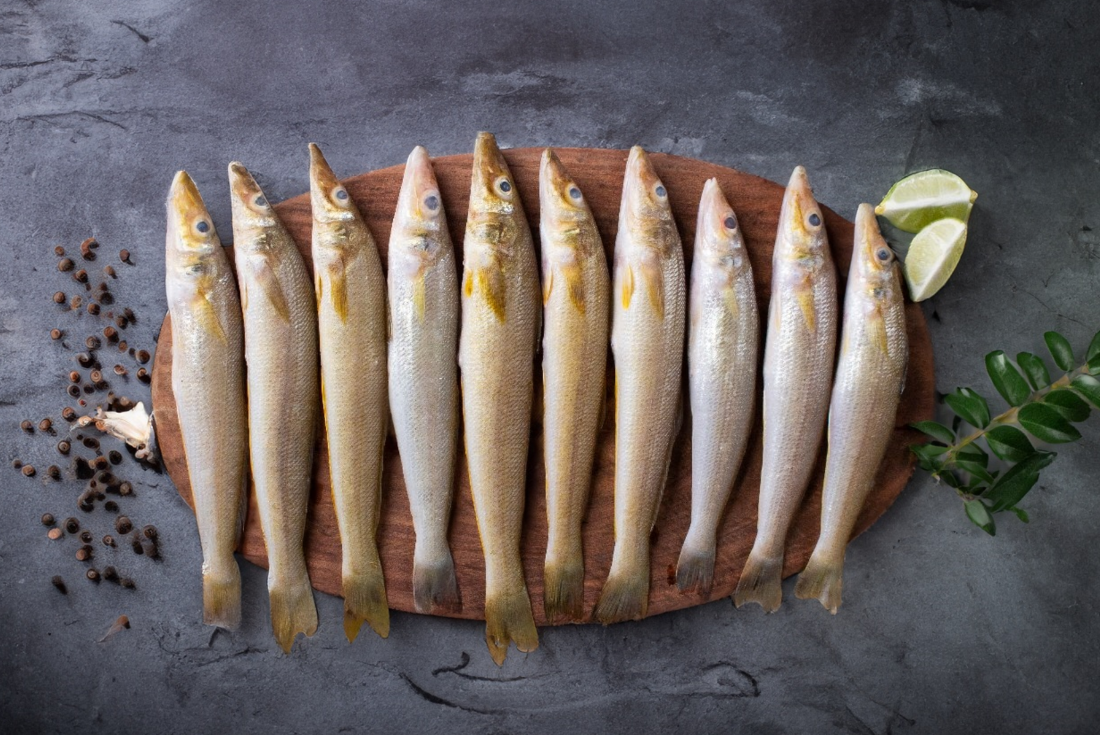
Nobody talks about ladyfish.
You will not see it trending on food blogs. You will not find it on fancy restaurant menus. And most people at the fish counter walk straight past it without a second look.
But here is the truth.
Ladyfish is one of the most nutritious, affordable, and underrated fish in the sea. It is packed with protein. It is low in fat. It is easy to cook. And it has been a staple in coastal kitchens across South Asia for generations for very good reason.
This blog is going to change the way you look at ladyfish. By the end, you will know exactly what is inside it, what it does for your body, and why it deserves a permanent spot on your plate.
What Exactly Is Ladyfish?
Ladyfish, known scientifically as Elops lacerta and locally as boi or boi fish in parts of South Asia, is a long, slender, silver fish found in warm coastal waters. It is especially common along the coastlines of Pakistan and India and is widely available at local fish markets throughout the year.
It is not the biggest fish in the sea. It is not the most dramatic-looking either. But it is fast, it is lean, and its flesh is something special. White, firm, and mildly flavored, lady fish sits somewhere between surmai and rohu in terms of taste and texture. It has a clean, pleasant flavor that works well with bold spices, light marinades, and everything in between.
One thing people often notice about ladyfish is that it has quite a few small bones. This puts some people off, especially those who are not used to eating it. But once you know how to handle it, which we will cover later, it is really not a problem at all.
Ladyfish Nutrition Facts
Here is what a standard 100g serving of cooked ladyfish gives you:
| Nutrient | Amount Per 100g |
|---|---|
| Calories | 90 to 110 kcal |
| Protein | 18 to 22g |
| Total Fat | 1 to 3g |
| Omega-3 Fatty Acids | Moderate |
| Cholesterol | 50 to 65mg |
| Sodium | 70 to 90mg |
| Calcium | Moderate |
| Vitamin B12 | High |
| Phosphorus | High |
| Selenium | Moderate |
| Iron | Moderate |
| Potassium | Moderate |
These numbers tell a very clear story. Ladyfish is low in calories, very low in fat, and gives you a solid amount of protein in every single serving. It also brings a good lineup of vitamins and minerals that your body genuinely needs every day.
For a fish this affordable and this easy to find locally, that nutritional profile is seriously impressive.
What Lady Fish Does for Your Body
Forget complicated health talk. Here is exactly what happens to your body when you eat ladyfish regularly.
Your Muscles Get Stronger
Ladyfish gives you 18 to 22 grams of protein per 100g. That is a strong number for a fish this light and affordable.
Protein is what your muscles are made of. Every time you exercise, lift something heavy, or even just go about your daily routine, your body uses protein to repair and rebuild muscle tissue. Without enough protein in your diet, your muscles cannot recover properly, and your body starts to feel tired and weak.
Eating lady fish a few times a week gives your body a steady supply of clean, lean protein that supports muscle strength, recovery, and overall physical health. If you want to compare how lady fish stacks up against another popular local fish on protein, this breakdown of how much protein is in rohu fish gives you a clear picture.
Your Heart Gets Some Love Too
Lady fish contains omega-3 fatty acids, the healthy fats that your heart relies on to stay strong and healthy.
These fats help reduce swelling inside your blood vessels. They help keep your cholesterol balanced. And they lower the risk of heart disease over time. The amount of omega-3s in ladyfish is moderate rather than high, but eating it consistently as part of a balanced diet still adds up and makes a real difference to your heart health in the long run.
Your Bones Stay Strong
Ladyfish is a good source of phosphorus and calcium, two minerals that work together to keep your bones and teeth healthy and strong.
Most people only think about calcium when it comes to bone health. But phosphorus is just as important. Without enough phosphorus, your body cannot properly absorb and use the calcium you eat. Ladyfish gives you both in one meal, which makes it a smart everyday choice for children who are still growing and older adults who need to protect their bone strength as they age.
Your Energy Levels Go Up
Feeling tired all the time? Ladyfish might actually help with that.
It is a good natural source of Vitamin B12, which plays a direct role in your energy levels. B12 helps your body produce healthy red blood cells, which carry oxygen around your body. When your cells are getting enough oxygen, you feel more alert, more focused, and more energetic throughout the day.
B12 also keeps your nerves working properly. People who are low on B12 often feel tired, foggy, and sometimes notice a strange tingling in their hands or feet. Eating ladyfish regularly is a simple and natural way to keep your B12 topped up without needing supplements.
Your Body Fights Illness Better
Ladyfish contains selenium and iron, two nutrients that play important roles in keeping your immune system strong.
Selenium protects your cells from damage. It helps your thyroid gland work properly. Your thyroid controls your energy and your metabolism. When it is sluggish, you feel sluggish. Selenium keeps it running smoothly.
Iron helps your body make red blood cells and supports your immune system in fighting off infections. Many people, especially women, do not get enough iron from their daily diet. Lady fish is a natural and tasty way to add more of it to your meals.
Is Lady Fish Good for Weight Loss?
Short answer: yes, very much so.
Ladyfish has only 90 to 110 calories per 100g and just 1 to 3 grams of fat. That makes it one of the lightest fish you can eat in terms of calorie count. At the same time, it gives you 18 to 22 grams of protein that keeps you full and satisfied for hours after eating.
That combination is exactly what anyone trying to lose weight or eat lighter is looking for. High protein keeps hunger away. Low calories mean you can eat a proper, filling portion without going over your daily limit. And the very low fat content means you are not adding unnecessary calories from fat either.
Cook it simply, with minimal oil, and a good-sized piece of ladyfish makes for a genuinely satisfying meal that supports your weight goals rather than working against them.
For a complete guide on which fish are best to eat when you are managing your weight, this breakdown of the best fish to eat for weight loss covers everything clearly.
How to Cook Lady Fish at Home
Lady fish is very easy to cook once you know how to handle it.
The most popular way to prepare lady fish is frying. A simple marinade of chili, turmeric, ginger-garlic paste, lemon juice, and salt, coated in a light layer of semolina or rice flour, and fried in hot oil gives you a crispy, golden, incredibly flavorful result. The outside crisps up beautifully while the inside stays soft and juicy.
If you want something crispy and satisfying, this crispy fish and chips recipe works really well with ladyfish thanks to its firm white flesh that holds together under heat.
For a more filling and aromatic meal, ladyfish also works well in a spiced biryani. Its firm flesh soaks up the flavors of the rice and spices without breaking apart. You can use this fish biryani recipe as a base and swap in ladyfish for a delicious result.
Now about the bones. Lady fish does have more small bones than some other fish, and the best way to deal with them is to score the fish deeply before cooking. Make a few deep cuts across the flesh on both sides before marinating. This breaks down the smaller bones during cooking and makes the fish much easier and more enjoyable to eat.
Is Lady Fish Healthy Compared to Other Fish?
Let us put it in perspective.
Compared to oily fish like mackerel or surmai, ladyfish is leaner and lower in calories. It has less omega-3 fat, but it also has significantly fewer calories, which makes it a better option for people focused on weight management.
Compared to other lean fish like flounder or halibut, ladyfish holds its own very well. The protein content is similar, the calorie count is comparably low, and the flavor is bolder and more satisfying for people who enjoy a bit more taste in their fish.
For anyone eating fish regularly as part of a healthy lifestyle, lady fish fits right in. It is affordable, local, nutritious, and genuinely good to eat. Fish in general is one of the best things you can add to your daily diet, and if you want to understand the full picture of why, this guide on why eating fish is good for you explains it in simple and easy-to-understand terms.
A Few Tips for Buying and Storing Lady Fish
When buying fresh lady fish, look for bright silver skin that is shiny and intact. The eyes should be clear, and the flesh should feel firm when you press it gently. It should smell clean and fresh like the sea. If the smell is sharp or sour, skip it.
Because lady fish is a lean fish with delicate flesh, it does not stay fresh for very long. Buy it on the day you plan to cook it whenever possible. If you need to store it, keep it in the coldest part of your fridge and cook it within a day.
If you are buying frozen lady fish, check that the packaging is sealed and there are no thick ice crystals inside. Good quality frozen ladyfish retains most of its nutrition and flavor and is a perfectly fine option for everyday cooking.
A Word on Why Local Fish Deserve More Credit
Lady fish is a brilliant example of a locally available fish that most people overlook in favor of more well-known options. But local fish like lady fish, rohu, and surmai are some of the freshest, most nutritious, and most affordable seafood choices you can make.
They travel shorter distances from sea to market, which means they are often fresher than imported varieties. They are caught in familiar waters and prepared in traditional ways that have stood the test of time. And they are genuinely packed with the nutrition your body needs every single day.
Frequently Asked Questions
Does ladyfish taste good?
Yes, and most people are surprised by how much they enjoy it. Ladyfish has a clean, mild flavor that is not too strong or too fishy. It takes on spices and marinades really well, which means it tastes great whether you fry it, grill it, or cook it in a curry.
What about all the bones in lady fish?
This is the most common concern people have, and it is a fair one. Lady fish does have small bones but the easiest fix is to score the fish deeply on both sides before cooking. This breaks down the smaller bones during the cooking process and makes the fish much easier and more enjoyable to eat.
Is ladyfish good for children?
Yes, it is actually a great fish for growing children. It is high in protein, which supports muscle growth, rich in calcium and phosphorus, which keep bones strong, and packed with Vitamin B12, which supports brain development and energy. Just make sure the bones are properly handled before serving to younger children.
How often should I eat ladyfish?
Two to three times a week is a great target for most healthy adults. It is low in mercury compared to larger predatory fish, affordable, and nutritious enough to make a real difference to your diet when eaten regularly. It is one of those everyday fish that quietly does a lot of good for your body over time.
Conclusion
Ladyfish does not shout for attention. It never has. But the numbers speak for themselves.
Low in calories. Very low in fat. High in protein. Rich in Vitamin B12, phosphorus, calcium, selenium, and iron. Easy to cook. Affordable to buy. And genuinely delicious when prepared well.
If you have been walking past ladyfish at the market without giving it a second thought, now you have every reason to stop and pick some up. Your body will thank you for it.
Disclaimer
The nutritional values in this blog are based on general averages and may vary depending on the specific catch, cooking method, and supplier. This content is for informational purposes only and does not constitute dietary or medical advice. If you have a specific health condition or nutritional requirement, please consult a qualified professional before making changes to your diet.