
Sole Fish Benefits, Nutrition and Easy Recipes
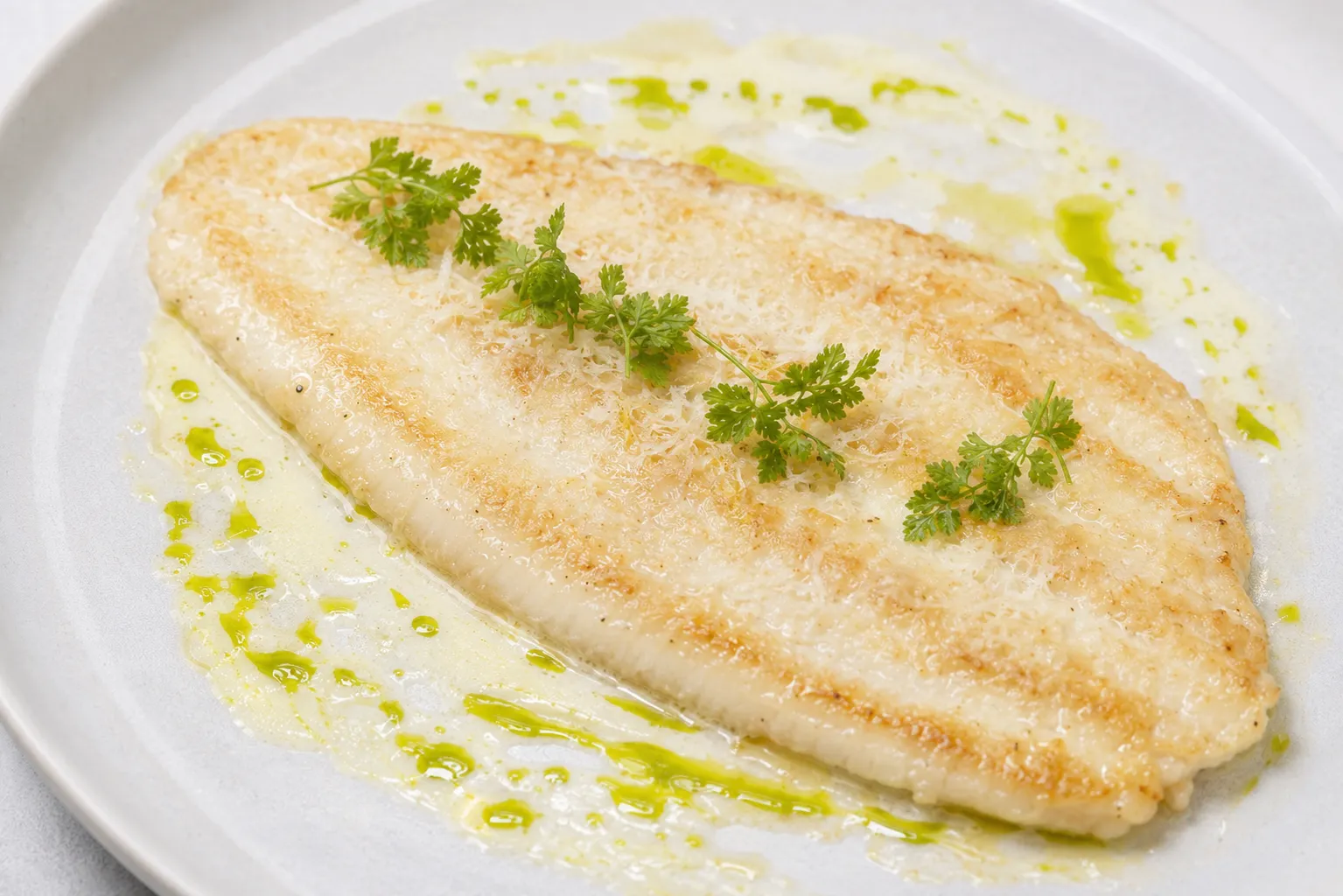
Sole fish is a lean flatfish that provides around 86 calories, 15g of protein, and just over 2g of fat per 100g cooked, with zero carbohydrates. It also contains phosphorus, selenium, and vitamin B12. Sole can be a nutritious choice during pregnancy because it is generally low in mercury. In Pakistan, tongue fish (patti sole) is a commonly available sole.
First Things First: What Is Sole Fish?
Sole is a flatfish, like flounder and halibut, with a wide, flat body adapted for life near the ocean floor. In Pakistan, people commonly sell sole as tongue fish (patti sole) and lemon sole. These fish are worth exploring if you want a mild-flavoured option for everyday meals.
It is small. It is delicate. And its flesh is so white, so soft, and so mild that it almost feels like it dissolves on your tongue when cooked properly.
People who are not big fish eaters tend to love sole for exactly this reason. There is no strong smell. No overpowering flavor. Just clean, delicate, slightly sweet flesh that works with almost any seasoning or cooking style you can imagine.
If flounder and halibut are the more well-known flatfish in the family, sole is the quieter, more delicate sibling. You can read more about how flatfish compare in flounder fish nutrition facts and halibut fish nutrition facts.
Sole Fish Nutrition Facts (Per 100g)
A 100g serving of cooked sole fish provides the following nutrients:
| Nutrient | Amount per 100g (cooked) |
|---|---|
| Calories | 86 kcal |
| Protein | 15 g |
| Total Fat | Just over 2 g |
| Carbohydrates | 0 g |
- Just 80 to 95 calories per serving
- 17 to 20 grams of lean, clean protein
- Less than 2 grams of fat
- Rich in Vitamin B12 for energy and nerve health
- High in phosphorus for strong bones and teeth
- Good source of selenium for immune support
- Contains magnesium, potassium, and iron
- Zero carbohydrates
Read that again. Under 95 calories. Under 2 grams of fat. Nearly 20 grams of protein.
Sole fish is one of the leaner fish you can buy. It makes other so-called diet foods look average by comparison.
Health Benefits of Sole Fish
The main sole fish benefits are lean protein, strong bones from phosphorus, energy and nerve support from vitamin B12, cell protection from selenium, and help with weight control.
It Feeds Your Muscles Without Feeding Your Waistline
Every gram of protein in sole fish earns its place. At 17 to 20 grams per 100g with barely any fat and under 95 calories, sole gives your muscles what they need to grow and recover without adding unnecessary weight.
This matters whether you exercise regularly or not. Protein keeps you full. It reduces cravings. It helps your body repair itself overnight. And sole delivers all of that without the calorie cost that comes with heavier protein sources like red meat.
For anyone curious about how sole compares to other lean local fish on protein, this breakdown of how much protein is in rohu fish gives useful context on where freshwater and sea fish typically land.
Your Heart Quietly Benefits Every Time You Eat It
Sole is low in saturated fat, and swapping red meat for lean fish like sole is a simple heart-friendly choice. However, it contains much less omega-3 than oily fish such as mackerel, so it should not be treated as a major source of these healthy fats.
It is not dramatic. It is not instant. But consistent choices add up. And sole is one of the easiest consistent choices you can make.
Bones, Nerves, and Energy: Sole Covers All Three
Sole is rich in phosphorus and Vitamin B12, two nutrients that a surprisingly large number of people are quietly deficient in.
Phosphorus keeps your bones and teeth strong. Without enough of it, your body struggles to use calcium properly, no matter how much dairy you consume.
Vitamin B12 keeps your nerves functioning and your red blood cells healthy. When B12 is low, people feel tired, foggy, and sometimes experience tingling in their hands and feet. Sole is a good source of vitamin B12 and can help you meet your daily needs.
Selenium: The Quiet Protector
Sole contains selenium, a mineral that acts as a shield for your body at the cellular level. It protects your cells from damage caused by stress, pollution, and aging. It also supports your thyroid, the small gland in your neck that controls your metabolism and energy levels.
Most people never think about selenium until something feels off. A portion of sole gives you a good share of your daily selenium.
Is Sole Fish Safe During Pregnancy?
This is one of the most searched questions about sole fish, and the answer is reassuring.
Yes. Sole is considered a low-mercury fish, which makes it one of the safer seafood choices during pregnancy. Mercury is the main concern with fish during pregnancy because high levels can affect the development of a baby’s nervous system.
Fish Choices During Pregnancy: FDA Mercury Guide
The US Food and Drug Administration (FDA) and Environmental Protection Agency (EPA) group fish into three categories based on mercury levels. For pregnant or breastfeeding women, the guidance recommends eating 2–3 servings per week from the Best Choices list, or 1 serving per week from the Good Choices list.
| FDA category | Fish examples | Advice during pregnancy |
|---|---|---|
| Best Choices | Sole, flounder, Atlantic mackerel | 2–3 servings per week |
| Good Choices | Carp (including rohu and catla), Spanish mackerel (often called surmai) | 1 serving per week |
| Choices to Avoid | King mackerel, shark, swordfish, bigeye tuna | Avoid during pregnancy |
Source: FDA and EPA Advice About Eating Fish.
As always, make sure sole is properly cooked during pregnancy. Raw or undercooked fish should be avoided regardless of mercury levels.
For a broader picture of why fish is so beneficial to include in your diet regularly, this guide on why eating fish is good for you is worth a read.
Sole Fish for Weight Loss And Does It Actually Work?
Absolutely, and here is why it works so well.
Under 95 calories per 100g means you can eat a proper generous portion without worrying about going over your daily calorie limit.
Less than 2 grams of fat means almost none of those calories are coming from fat.
Nearly 20 grams of protein means you will feel genuinely satisfied after eating it, not hungry again an hour later.
That combination, high protein, low fat, low calories, is the exact formula that makes a food effective for weight management. Sole does not just fit into a weight loss diet. It actively supports one.
For a complete guide on the best fish to include when you are trying to manage your weight, this breakdown of the best fish to eat for weight loss covers all your best options in one place.
Sole Fish Recipes: Three Ways to Cook It at Home
You can enjoy sole fish in several ways, from crispy pan-fried sole and lemon garlic sole to spicy patti sole tawa fry made with traditional desi spices.
1. Pan-Fried Sole Fish
This quick pan-fried sole recipe gives you tender fish with a lightly crispy outside and a fresh, lemony flavour.
Prep time: 10 minutes
Cook time: 8–10 minutes
Serves: 2
Ingredients
- 2 sole fish fillets (around 150g each)
- 1 tablespoon olive oil or cooking oil
- ½ teaspoon salt, or to taste
- ½ teaspoon black pepper
- ½ teaspoon garlic powder, or 1 minced garlic clove
- ½ teaspoon paprika (optional)
- 1 tablespoon lemon juice
- 1 tablespoon all-purpose flour (optional, for a light crust)
Method
- Pat the sole fillets dry with a paper towel so they brown better in the pan.
- Mix the salt, black pepper, garlic powder and paprika. Season both sides of the fish.
- For a lightly crispy coating, dust the fillets with a thin layer of flour and shake off any excess.
- Heat the oil in a non-stick frying pan over medium heat.
- Add the fillets and cook for 3–5 minutes on the first side, depending on their thickness. Turn carefully and cook for another 2–4 minutes, until the fish flakes easily with a fork and is cooked through.
- Finish with lemon juice and serve immediately with vegetables, rice or a fresh salad.
2. Lemon Garlic Sole Fish
Lemon garlic sole is a simple option for anyone who enjoys a light, buttery flavour without overpowering the delicate taste of the fish.
Prep time: 5 minutes
Cook time: 8–10 minutes
Serves: 2
Ingredients
- 2 sole fish fillets (around 150g each)
- 1 tablespoon butter
- 1 teaspoon olive oil or cooking oil
- 2 garlic cloves, finely chopped
- 1 tablespoon lemon juice
- ½ teaspoon black pepper
- ¼ teaspoon salt, or to taste
- 1 tablespoon chopped fresh parsley (optional)
Method
- Pat the fish dry and season both sides with salt and black pepper.
- Heat the oil and half the butter in a pan over medium heat.
- Add the fish and cook for 3–5 minutes on one side. Turn gently and cook for another 2–4 minutes, until cooked through.
- Move the fish to a plate. Add the remaining butter and chopped garlic to the same pan.
- Cook the garlic for about 30 seconds, stirring so it does not burn. Add the lemon juice and stir.
- Pour the lemon garlic sauce over the fish, sprinkle with parsley if using, and serve with rice, mashed potatoes or steamed vegetables.
3. Patti Sole Tawa Fry (Desi-Style Tongue Fish)
Patti sole tawa fry brings Pakistani flavours to this mild fish, using red chilli, turmeric, cumin, and lemon for a spicy coating. Serve it with roti, naan, chutney or a simple salad.
Prep time: 15 minutes, plus 20 minutes for marinating
Cook time: 10–15 minutes
Serves: 2
Ingredients
- 400g patti sole (tongue fish), cleaned
- 1 tablespoon lemon juice
- 1 teaspoon ginger-garlic paste
- ½ teaspoon red chilli powder, or to taste
- ¼ teaspoon turmeric powder
- ½ teaspoon ground cumin
- ½ teaspoon ground coriander
- ½ teaspoon salt, or to taste
- 2 tablespoons gram flour (besan)
- 2–3 tablespoons cooking oil, for shallow frying
Method
- Pat the fish dry. If using whole fish, make a few shallow cuts on each side so the marinade coats it evenly.
- In a bowl, mix the lemon juice, ginger-garlic paste, chilli powder, turmeric, cumin, coriander and salt.
- Coat the fish with the spice mixture and leave it to marinate for 20 minutes in the refrigerator.
- Sprinkle the gram flour over the fish and coat lightly. This helps create a crisp outer layer.
- Heat the oil on a tawa or in a wide frying pan over medium heat.
- Place the fish in the pan without overcrowding it. Cook for around 4–6 minutes per side, adjusting the time to the thickness of the pieces.
- Turn carefully and cook until the fish is opaque and flakes easily. Serve hot with lemon wedges, mint chutney and sliced onions.
Buying and Storing Sole: What to Look For
Fresh sole should have white or pale flesh that looks moist and intact. The skin should be smooth and slightly glossy. It should smell clean and like the sea, never sharp or sour. Because sole is so delicate, it goes off faster than firmer fish. Buy it on the day you plan to cook it whenever possible.
Fresh sole fish is best cooked as soon as possible for the best taste and texture. If you are not cooking it right away, store it in the refrigerator at 4°C or below and use it within 1–2 days. To keep it longer, wrap the fish tightly, place it in a freezer-safe bag or container, and freeze it. When you are ready to cook it, thaw it safely in the refrigerator rather than at room temperature.
Looking for fresh fish for your next meal? Explore fresh tongue fish (patti sole) at SeaFresh and bring home a delicious option for your favourite desi recipes.
Small Fish, Big Benefits
Sole fish will never be the loudest fish in the room. It is quiet, delicate, and easy to overlook.
But the numbers tell a different story. Under 95 calories. Nearly 20 grams of protein. Less than 2 grams of fat. Safe during pregnancy. Good for your heart, your bones, your energy, and your weight.
If you are ready to bring fresh, quality sole and other incredible local fish straight to your kitchen, visit Seafresh for a wide selection of responsibly sourced fish delivered fresh to your door. Because the best meals start with the best ingredients.
Frequently Asked Questions
Is sole fish good for weight loss?
Yes, sole fish can be a good choice for weight loss because it is low in calories and provides lean protein. A 100g serving of cooked sole contains around 86 calories and 15g of protein. Protein can help you feel full, while your overall calorie intake and cooking method also affect weight management.
Can I eat sole fish during pregnancy?
Yes, sole is listed as a low-mercury Best Choice by the US FDA and EPA, making it a suitable option during pregnancy when properly cooked. Their guidance recommends eating 2 to 3 servings (about 113g each) per week from the Best Choices category. Fish like sole provide protein and nutrients that are important during pregnancy. Follow your healthcare provider’s advice and check the fish species before eating it.
What does sole fish taste like?
Sole fish has a mild, delicate flavour with a slightly sweet taste and tender texture. It is a good option for people who prefer fish with a less pronounced flavour than stronger-tasting varieties such as mackerel or surmai.
What are the benefits of tongue fish?
Tongue fish (patti sole) can provide lean protein and nutrients such as vitamin B12 and phosphorus, depending on the species and serving size. It can be a useful addition to a balanced diet, especially when grilled, baked, or lightly pan-fried instead of deep-fried.
How much protein is in sole fish?
A 100g serving of cooked sole fish contains around 15.2g of protein. It also provides calories and other nutrients, making it a lean protein option for everyday meals.
Is tongue fish the same as sole?
Tongue fish, often called patti sole in Pakistan, is commonly sold as a type of sole fish. However, local fish names can refer to different species, so check the product description or ask your fishmonger to confirm the exact species.
Disclaimer: The nutritional values in this blog are based on general averages and may vary depending on the specific catch, cooking method, and supplier. This content is for informational purposes only and does not constitute dietary or medical advice. Please consult a qualified professional before making any changes to your diet, especially during pregnancy or if you have a specific health condition.