
Prawns: What They Are, Every Size Explained, and Which Type to Actually Buy
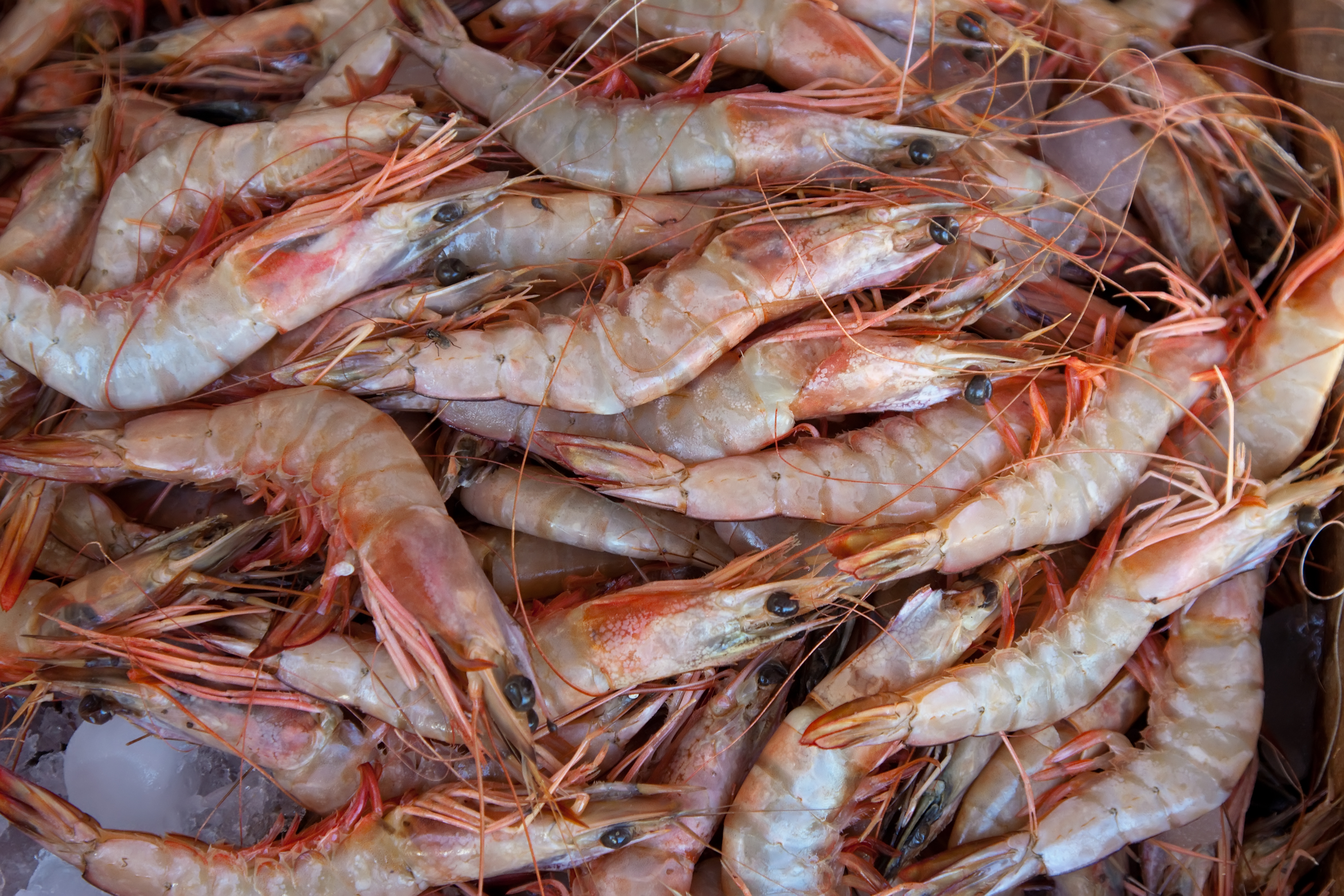
If you have ever stood in front of a seafood counter staring at three different bags of prawns wondering what the difference actually is, you are not alone. There is a lot of confusing language around prawns, from sizing codes to species names, and most of it is never properly explained.
This guide fixes that. By the end, you will know exactly what prawns are, how sizing works in practical terms, and which type of prawn suits which kind of meal. No fluff, no jargon, just the things that actually help you cook better.
What Are Prawns, Really?
Prawns are crustaceans, which puts them in the same family as crabs, lobsters, and shrimp. They live in both saltwater and freshwater environments depending on the species, and they are caught and farmed across Asia, the Middle East, Europe, and beyond.
Here is something that trips a lot of people up: prawns and shrimp are not the same thing, even though the words get used interchangeably almost everywhere. The biological difference comes down to gill structure, claw positioning, and body segmentation. Prawns have branching gills, claws on three pairs of legs, and a larger second segment overlapping the third. Shrimp are generally smaller, with plate-like gills and claws on only two pairs of legs. In cooking terms, the difference that matters most is size, texture, and the fact that prawns tend to be sweeter and meatier.
What makes prawns such a versatile seafood is how well they absorb flavor. They take on marinades quickly, cook in minutes, and work across everything from a quick weeknight stir-fry to a slow-cooked curry. If you have tried a properly done Grilled Prawns Recipe, you already know how much flavor a simple preparation can pull out of them.
Prawn Sizes And What the Numbers on the Packet Actually Mean
Prawn sizing is done by count, meaning the number of prawns per kilogram or pound. The smaller the number, the bigger the prawn. A packet labeled 6/8 means you are getting roughly six to eight prawns per kilogram. A packet labeled 30/40 means much smaller prawns, around thirty to forty per kilogram.
One thing worth knowing is that sizing counts are typically measured per kilogram in most parts of Asia and the Middle East, and per pound in the United States. If you are shopping for an American-labeled product, a count of 16/20 means sixteen to twenty prawns per pound, which is a much smaller batch than sixteen to twenty per kilogram.
Here is a simple breakdown of how sizes generally fall:
| Size Name | Count Per KG | Best Used For |
|---|---|---|
| Small | 40/60 and above | Fried rice, pasta, soups, mixed dishes |
| Medium | 26/30 to 31/40 | Everyday cooking, most standard recipes |
| Large | 16/20 to 21/25 | Grilling, skewers, plated as main protein |
| Jumbo | U/15 | Special occasions, butterflied and grilled |
| Colossal | U/10 | Restaurant-style presentation, solo servings |
Small Prawns
Usually labeled 40/60 or higher, Small Prawns are best used when the prawn itself is not the star of the dish. They work well in fried rice, pasta, or soups where they are mixed with other ingredients and you want a bit of seafood flavor distributed throughout rather than one big centerpiece bite.
Medium Prawns
Typically falling in the 26/30 to 31/40 range, Medium Prawns are the most common size in home cooking. They cook evenly, hold their shape well, and fit most recipes without needing any adjustment. If a recipe just says “prawns” without specifying size, medium is almost always what they mean.
Large Prawns
In the 16/20 to 21/25 range, Large Prawns are where things get more interesting. These are the ones you want when the prawn is the centerpiece, served on a skewer, grilled in a pan, or plated as the main protein rather than mixed into something else. Their size means they stay juicy under high heat, which is exactly what you need for a dish like grilled fish or seafood cooked over an open flame.
Jumbo and Colossal Prawns
Anything labeled U/10 (under ten per kilogram) or U/15 falls into jumbo prawns or colossal territory. These are the kind of prawns you see at high-end restaurants served individually, and they are priced accordingly. Butterflied and grilled, they are genuinely impressive. For everyday cooking, they are probably overkill, but for a special occasion, Jumbo Prawns are hard to beat.
Fresh vs Frozen Prawns And Which One Should You Actually Buy?
This is the question most buyers never get a straight answer to, so here it is.
Frozen is not automatically worse. In fact, prawns that are frozen immediately after being caught at sea are often in better condition than prawns sitting on ice at a market counter for several days. The label “fresh” in a shop simply means the prawn has not been frozen by the time it reached you, but it does not tell you how long it has been refrigerated in transit.
What you actually want to look for is how the prawn was handled, not whether it is fresh or frozen. A few practical things to check:
- Frozen prawns should not have thick ice crystals inside the bag, which usually means they have been thawed and refrozen at some point.
- Fresh prawns should have a clean, ocean-like smell with no strong ammonia odor.
- The shell should feel firm, not soft or slimy.
For everyday cooking, good quality frozen prawns that are properly thawed give you results that are almost identical to fresh. Where fresh prawns genuinely pull ahead is in texture for very careful preparations, like a light poach or a dish where the prawn is served almost as-is.
Types of Prawns and What Makes Each One Different
Species matters more than most people realize, because different types of prawns have noticeably different textures, flavors, and ideal cooking methods.
| Prawn Type | Flavor Profile | Texture | Best Cooking Method |
|---|---|---|---|
| Tiger Prawns | Mildly sweet | Firm, dense | Grilling, barbecue, pan-searing |
| King Prawns | Naturally sweet | Juicy, tender | Butter pan-fry, quick grill |
| White Prawns | Mild, neutral | Soft, consistent | Curries, pasta, creamy sauces |
| Brown Prawns | Rich, mineral | Soft, delicate | Slow-cooked sauces, soups |
| Rock Prawns | Deep, lobster-like | Dense, firm | Upscale recipes, butter roasting |
Tiger Prawns
Tiger Prawns are named for the dark stripes across their shells, and they are one of the most widely eaten prawns in the world. They are large, firm, and hold up extremely well to high-heat cooking. Grilling, pan-searing, and barbecuing all work brilliantly with tiger prawns because their dense flesh does not fall apart under direct heat. They have a mild sweetness that makes them pair well with bold marinades and sauces.
King Prawns
King prawns are arguably the most prized variety for home cooking. They are large, juicy, and have a naturally sweet flavor that needs very little done to it. A squeeze of lemon, some garlic butter, and a hot pan is genuinely all you need. They are also one of the most forgiving prawns to cook because their size gives you a slightly wider window before they overcook.
White Prawns
White prawns, sometimes called Pacific white prawns, are the most farmed prawn in the world. They are widely available, consistently sized, and more affordable than tiger or king varieties. Their flavor is milder, which makes them ideal for dishes where the sauce or seasoning does the heavy lifting, think curries, pasta, and creamy preparations.
Brown Prawns
Brown prawns are wild-caught and have a stronger, more mineral flavor than farmed varieties. They are smaller and softer in texture, which makes them better suited to dishes where they are cooked into a sauce rather than served whole. If you enjoy deeper, more complex seafood flavor, brown prawns are worth seeking out.
Rock Prawns
Rock prawns live in deep water and have a hard shell that requires more effort to peel. Their flavor is rich and almost lobster-like, which is why they are often used as a more affordable substitute in upscale recipes. They are not the easiest prawn to find, but if your local market carries them, they are worth trying at least once.
Matching the Right Prawn to the Right Meal
Now that you know the differences, here is how to think about it practically. For a quick weeknight dinner where prawns are mixed with other ingredients, white or medium tiger prawns give you the best value. For something you are cooking to impress, king prawns or jumbo tiger prawns give you the size and flavor to carry the dish. For anything slow-cooked or sauce-based, brown prawns add depth that milder farmed varieties cannot quite replicate.
If you are looking to expand beyond prawns, the same logic around matching the right seafood to the right cooking method applies to fish as well. A solid Grilled Fish Recipe follows very similar principles like high heat, short cooking time, and letting the quality of the ingredient do most of the work.
Frequently Asked Questions
Are prawns and shrimp actually the same thing?
Not exactly. Prawns are generally larger, meatier, and slightly sweeter, but the two words get used interchangeably in most supermarkets and recipes, so the label rarely matters in practice.
Is frozen always worse than fresh?
No, and this is one of the biggest misconceptions at the seafood counter. Prawns frozen right after catch are often in better shape than ones that have been sitting on ice in transit for days.
What size prawn should I buy for everyday cooking?
Medium prawns in the 26/30 to 31/40 count range are the safest pick for most home cooking. They cook evenly and fit into almost any recipe without adjustment.
Which type of prawn is easiest to cook for beginners?
King prawns are the most forgiving option since their size gives you a wider window before they overcook. Garlic, butter, and a hot pan are genuinely all you need.
Conclusion
Prawns are one of the most approachable seafoods you can cook with, but only once you understand what you are actually buying. Size tells you how to use them. Species tells you what flavor and texture to expect. Put those two things together, and you stop guessing at the seafood counter and start making intentional choices.
Pick the size that fits your dish, choose the species that matches your cooking method, and the rest mostly takes care of itself.
Disclaimer
The information in this blog is for general educational purposes only. Prawn sizes, species, and availability may vary by location and supplier. Flavor profiles and nutritional details are general estimates and can differ based on farming methods and preparation.
If you have a seafood allergy or dietary condition, please consult a medical professional before making any changes to your diet.