
Catla Fish Nutrition, Health Benefits and Easy Recipes
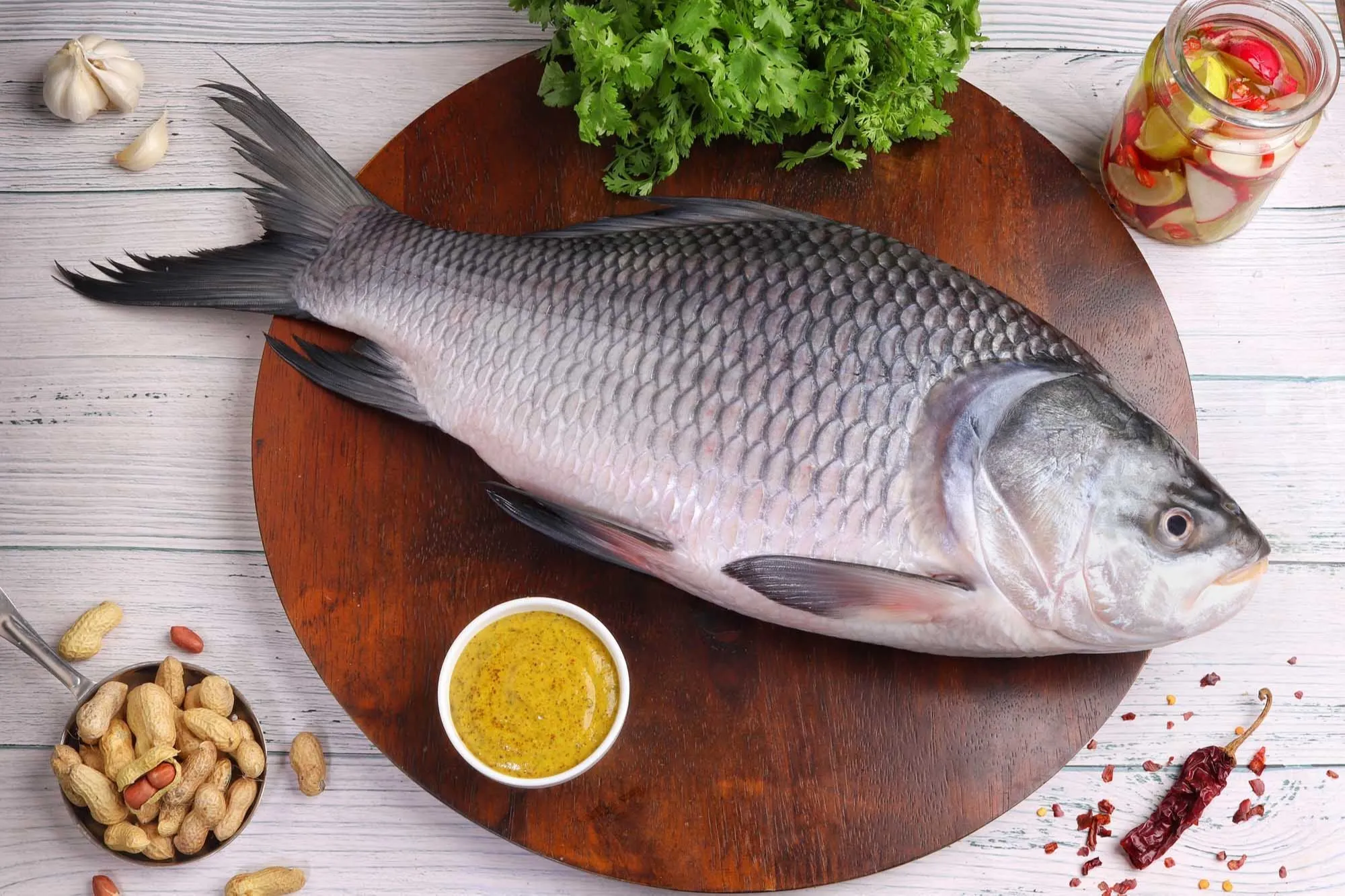
Catla fish is a freshwater carp that provides around 111 calories, 19.5g of protein, and 3g of fat per 100g (raw), with zero carbohydrates. It is a high-protein fish that also contains phosphorus, selenium, and vitamin B12. Its firm, white flesh works well in catla curry, fried catla, and fish biryani. Widely farmed and sold fresh across Pakistan, it is a popular choice for desi meals.
This blog covers everything you need to know about catla fish. What it is, what is inside it, why it is genuinely good for you, and how to make the most of it in your kitchen.
Meet Catla: South Asia’s Most Underrated River Fish
Catla, also known as katla or Bengal carp, is one of the most widely farmed freshwater fish in South Asia. In Pakistan, it may also be sold under the local name thaila, which should be confirmed with the client. Catla is found in rivers, lakes, and fish farms across Pakistan, India, and Bangladesh. It grows quickly in freshwater and can reach a maximum published weight of around 38.6 kg, according to FishBase.
The flesh is white, firm, and has a mild but slightly earthy flavor that is very different from sea fish. It holds together well during cooking, which makes it perfect for curries, biryanis, and frying. People who grew up eating catla will tell you there is something deeply comforting about its taste. It is the kind of fish that reminds you of home.
Here is something interesting many people do not know. Catla is a surface and mid-water feeder, meaning it feeds on food found near the surface and in the middle layers of the water. Its diet includes plankton and other natural food sources. This feeding behaviour is one of the characteristics that makes catla an interesting freshwater fish.
Catla Fish Nutrition Facts (Per 100g)
| Nutrient | Amount per 100g |
|---|---|
| Calories | 111 kcal |
| Protein | 19.5 g |
| Fat | 3.1 g |
| Carbohydrates | 0 g |
- Around 100 to 120 calories per serving
- 18 to 22 grams of clean lean protein
- 2 to 4 grams of healthy fat
- Some omega-3 fatty acids, although catla contains less than oily sea fish such as mackerel or surmai.
- Rich in Vitamin B12 for energy and nerve health
- High in phosphorus for strong bones
- Good source of selenium for immune support
- Contains iron, potassium, and magnesium
- Low in sodium and very low in carbohydrates
Catla vs. Other Popular Fish: Nutrition Comparison
Here is how catla compares with other commonly eaten fish based on calories, protein, and fat per 100g.
| Fish | Calories per 100g | Protein per 100g | Fat per 100g |
|---|---|---|---|
| Catla (raw) | 111 kcal | 19.5 g | 3.1 g |
| Rohu | 97 kcal | 16–19 g | 2–3 g |
| Surmai | 130–150 kcal | 22–25 g | 4–6 g |
| Flounder | 90–100 kcal | 18–21 g | 1–2 g |
| Halibut | 110–130 kcal | 22–26 g | 2–3 g |
Catla holds its own very well against both freshwater and sea fish. It sits comfortably in the lean, high-protein category and is significantly more affordable than most sea fish options. You can read more about flounder nutrition at flounder fish nutrition facts and halibut at halibut fish nutrition facts if you want to explore how they compare in more detail.
Health Benefits of Catla Fish
The main health benefits of catla fish include protein for muscle growth and repair, phosphorus for healthy bones, vitamin B12 for nerve function and red blood cell formation, some omega-3 fatty acids for heart health, and support for weight management as part of a balanced diet.
It Builds and Repairs Your Body
Protein is the building block of everything in your body. Your muscles, your skin, your organs, your immune system. All of it needs protein to stay strong and work properly.
Catla gives you 18 to 22 grams of protein per 100g. That is comparable to many sea fish and puts it firmly in the same league as rohu, which is another popular local freshwater fish. If you want to see exactly how freshwater fish compare on protein, this detailed breakdown of how much protein is in rohu fish is a great reference point.
It Is a Friend to Your Heart
Catla contains omega-3 fatty acids, the kind of healthy fat that your heart genuinely benefits from. These fats help reduce inflammation inside your blood vessels, keep your cholesterol balanced, and lower the long term risk of heart disease.
Catla fish provides some omega-3 fatty acids, which play a role in heart health. However, it contains less omega-3 than oily sea fish. To get more omega-3 in your diet, try including oily fish like surmai or mackerel alongside catla.
Your Bones Get Stronger With Every Meal
Catla is high in phosphorus, a mineral that works alongside calcium to keep your bones and teeth strong. Without enough phosphorus, your body cannot use calcium properly, no matter how much dairy you consume.
This makes catla particularly valuable for growing children and older adults who need to protect their bone density over time.
It Keeps Your Energy Up
Vitamin B12 is one of those nutrients most people do not think about until they are running on empty. It helps your body produce healthy red blood cells, keeps your nerves sharp, and plays a direct role in how energetic and focused you feel throughout the day.
Catla fish is an affordable source of vitamin B12, a nutrient that supports normal energy levels, nerve function, and red blood cell formation as part of a balanced diet. For a broader look at why adding more fish to your diet makes such a big difference to how you feel, this guide on why eating fish is good for you explains it simply and clearly.
It Supports Weight Management
Catla is low in calories and high in protein, which is exactly the combination you want when you are trying to manage your weight. Protein keeps you full for longer. You snack less. You eat less at your next meal without even trying.
A generous portion of catla curry or fried catla with minimal oil can be a satisfying and complete meal that fits comfortably within a healthy daily calorie count. For a full guide on which fish work best for weight loss, this breakdown of the best fish to eat for weight loss gives you everything you need.
Catla Fish Recipes: 3 Easy Ways to Cook It
You can cook catla fish in several delicious ways, including spicy desi catla curry, crispy fried catla, and flavourful catla fish biryani.
1. Desi Catla Fish Curry
This traditional catla fish curry combines tender fish with onions, tomatoes, and everyday Pakistani spices. Serve it with steamed rice or fresh roti.
Prep time: 15 minutes
Cook time: 30 minutes
Servings: 3–4
Ingredients
- 500g catla fish, cleaned and cut into pieces
- 2 medium onions, finely sliced
- 2 medium tomatoes, chopped
- 1 tablespoon ginger-garlic paste
- 3 tablespoons cooking oil
- ½ teaspoon turmeric powder
- 1 teaspoon red chilli powder
- 1 teaspoon coriander powder
- ½ teaspoon cumin powder
- ½ teaspoon garam masala
- Salt to taste
- 1½ cups water
- Fresh coriander and green chillies for garnish
Method
- Season the fish: Mix the catla pieces with a little salt and half the turmeric. Set aside for 10 minutes.
- Fry the fish: Heat 1 tablespoon of oil in a pan and lightly fry the fish on both sides. Remove and set aside.
- Prepare the masala: Add the remaining oil to the pan. Cook the onions until golden, then add the ginger-garlic paste and stir for a minute.
- Add the spices: Mix in the tomatoes, chilli powder, remaining turmeric, coriander powder, cumin powder, and salt. Cook until the tomatoes soften and the oil begins to separate.
- Make the curry: Add the water and bring the gravy to a gentle simmer. Carefully place the fish pieces in the pan and cook for 8–12 minutes, depending on their thickness, until the fish is cooked through. Avoid stirring too much, as catla can break apart.
- Garnish and serve: Sprinkle garam masala, fresh coriander, and sliced green chillies over the curry. Serve hot with roti or rice.
2. Crispy Fried Catla
For a quick meal, coat catla pieces with salt, red chilli powder, turmeric, lemon juice, and a little gram flour or rice flour. Let them rest for 10–15 minutes, then shallow-fry until golden and cooked through. Serve with lemon wedges, mint chutney, and sliced onions. For tips on getting the perfect crispy result, this crispy fish and chips recipe uses the same technique and works brilliantly with catla.
3. Catla Fish Biryani
For a flavourful fish biryani, marinate catla pieces with yoghurt, ginger-garlic paste, red chilli powder, turmeric, and biryani spices. Prepare a masala with fried onions and tomatoes, then gently cook the fish in it. Layer the masala with partially boiled basmati rice, add mint, coriander, and a little saffron-infused milk if desired, then cover and steam on low heat until the rice is tender and the flavours come together. You can follow this fish biryani recipe and use catla as your fish of choice for an incredible homemade biryani.
An Interesting Fact About Catla Most People Do Not Know
Catla is one of the fastest-growing Indian major carp species under suitable fish-farming conditions. In well-managed ponds, it can reach around 1 kg during its first year, although growth depends on factors such as food availability and pond conditions.
Its surface feeding habit means it naturally consumes plankton and organic matter from the top of the water, which keeps its flesh clean and gives it that mild, pleasant flavor people enjoy so much.
Should You Try Other Local Fish Too?
Catla is a great place to start, but there are plenty of other local fish worth exploring. If you enjoy freshwater fish, you can learn more about rohu fish protein and its nutritional benefits. You can also explore our Rohu fish and Common Carp (Gulfam) products.
If you want to try sea fish, hamour and emperor are popular options in Pakistan. Read our guides on what hamour fish is and what emperor fish is to learn more. You can also explore our guide to ladyfish nutrition and benefits for another fish option.
Conclusion
Catla fish has been feeding families across South Asia for generations. And now you know why.
It is affordable. It is nutritious. It is high in protein, low in calories, good for your heart, your bones, your energy, and your weight. It tastes great in a curry, a biryani, or simply fried crispy on the stove.
If you are ready to bring fresh catla fish to your kitchen, visit SeaFresh to buy fresh catla fish online or explore other local freshwater fish. With a wide selection of fresh, responsibly sourced fish delivered to your door, SeaFresh makes it easy to bring quality ingredients home. Good food starts with good ingredients, and SeaFresh makes that easy.
Frequently Asked Questions
Is catla a healthy fish to eat?
Yes, catla is a nutritious freshwater fish that provides protein, phosphorus, selenium, and vitamin B12. It also contains some omega-3 fatty acids, although less than oily sea fish such as mackerel. It can be part of a balanced diet when properly cooked.
How is catla different from rohu?
Catla and rohu are both popular South Asian freshwater fish, but catla generally grows larger and has a different feeding pattern. Catla feeds near the surface and in mid-water, while rohu mainly feeds in the middle layers of water. Both provide protein, although their nutritional values can vary.
Can children eat catla fish?
Yes, children can eat properly cooked catla fish as part of a balanced diet. It provides protein and nutrients such as vitamin B12 and phosphorus. However, catla has fine bones, so carefully remove all visible bones before serving it to children.
How much protein is in catla fish?
Raw catla fish contains around 19.5 grams of protein per 100 grams, along with 111 calories and 3.1 grams of fat. Cooking methods can change the nutritional values per 100 grams.
Is catla fish good for weight loss?
Yes, catla can fit into a weight-loss diet because 100 grams of raw catla contains around 111 calories and 19.5 grams of protein. Protein can help you feel full, but the overall calories in your meal also depend on how you cook the fish and what you serve with it.
Does catla fish have a lot of bones?
Yes, catla has fine intermuscular bones that can make eating it tricky, especially for children. Ask your fishmonger to cut it into larger steaks or suitable curry pieces, and check each piece carefully while eating. If you prefer boneless fish, ask about available boneless options.
Disclaimer
The nutritional values in this blog are based on general averages and may vary depending on the specific catch, cooking method, and supplier. This content is for informational purposes only and does not constitute dietary or medical advice. Please consult a qualified professional before making changes to your diet.