
Tilapia Fish Nutrition, Benefits and Easy Recipes
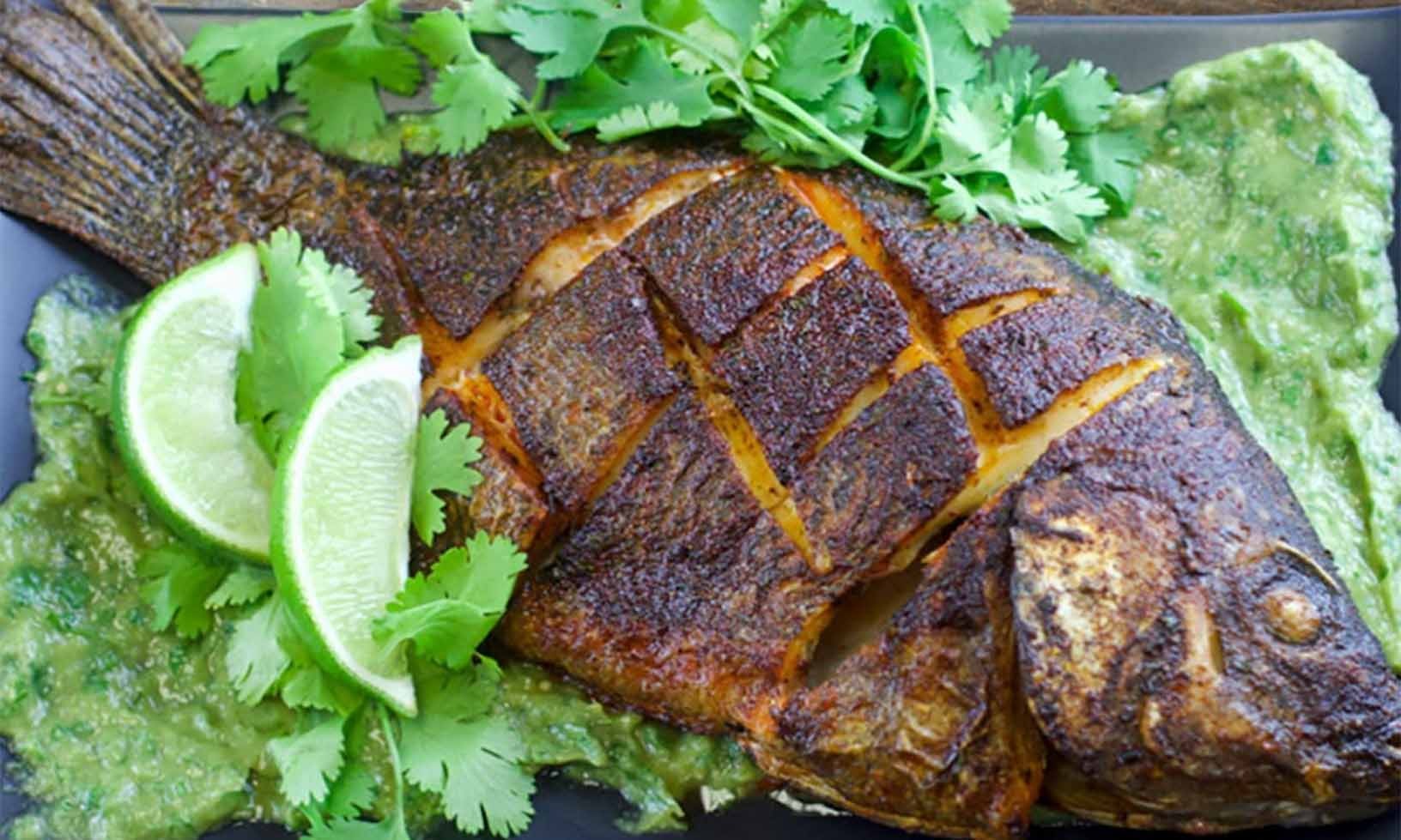
Tilapia is a mild-tasting freshwater fish that provides lean protein and essential nutrients at an affordable price. Its nutrition depends on the species and cooking method, but it is generally a low-fat source of protein. In Pakistan, tilapia is an option for everyday meals and can be grilled, pan-fried, or cooked with desi spices. Here is what to know about its nutrition, health benefits, and easy recipes.
So What Exactly Is Tilapia?
Tilapia is a freshwater fish originally from Africa but now farmed around the world, including Pakistan. It is sold locally as Tilapia (Daiyya), a name Pakistani readers may recognise when shopping for fish. Tilapia is widely farmed because it grows quickly and thrives in warm water. In the wild, it eats a variety of foods, including algae and aquatic plants, while farmed tilapia are commonly fed specially formulated feed pellets.
The flesh is white, mild, and slightly firm. It has almost no fishy smell or taste, which makes it one of the most approachable fish for people who do not usually enjoy strong-flavored seafood. It absorbs spices and marinades beautifully, which is why it works so well in so many different cuisines and cooking styles.
Tilapia Fish Nutrition Facts (Per 100g Cooked)
Tilapia provides lean protein and important nutrients, including selenium, vitamin B12 and niacin. Here is the nutritional breakdown for 100g of tilapia cooked using dry heat.
| Nutrient | Amount per 100g cooked |
|---|---|
| Calories | 128 kcal |
| Protein | 26.2 g |
| Total fat | 2.7 g |
| Carbohydrates | 0 g |
| Sodium | 56 mg |
| Selenium | 54 µg |
| Vitamin B12 | 1.9 µg |
| Niacin (Vitamin B3) | 4.7 mg |
| Phosphorus | Around 200 mg |
Tilapia is particularly notable for its selenium content, which supports normal thyroid and immune function. It also provides vitamin B12 for nerve function and red blood cell formation, along with niacin, which helps the body convert food into energy. Its phosphorus content contributes to healthy bones and teeth, although tilapia is better described as a source of phosphorus rather than exceptionally high in it.
Health Benefits of Tilapia Fish
The main tilapia benefits include high protein, relatively low calories and fat, selenium and vitamin B12, and low mercury levels. Tilapia can be a nutritious addition to a balanced diet when prepared with healthy cooking methods.
Protein in Tilapia Fish
Cooked tilapia has about 26.2g of protein per 100g. This makes it a lean protein source with a protein content close to cooked chicken breast, which provides around 31g per 100g.
Protein helps build and repair muscles, supports normal immune function, and helps the body recover after physical activity. It can also help you feel full after meals, making tilapia a useful option for people who want to manage their appetite as part of a balanced diet.
For anyone trying to eat more protein without relying on red meat every day, tilapia is one of the most practical and affordable swaps available. If you want to see how it compares to other popular local fish, this breakdown of how much protein is in rohu fish gives you a useful point of comparison.
Calories in Tilapia Fish
A 100g serving of cooked tilapia has about 128 calories and 2.7g of fat. This makes tilapia a lean fish option for people who want to include protein in their meals without adding too much fat. Its total calorie content can increase depending on the cooking method, especially when you use extra oil, butter or heavy sauces.
This is the combination that makes tilapia so valuable for people watching their weight or trying to eat lighter without feeling hungry all the time. You can eat a generous, satisfying portion and still stay comfortably within a healthy daily calorie range.
It Is Good for Your Bones
Tilapia is high in phosphorus, a mineral that works alongside calcium to keep your bones and teeth strong. Most people focus entirely on calcium when thinking about bone health, but without enough phosphorus, your body simply cannot absorb and use calcium effectively.
A single serving of tilapia gives you a meaningful dose of phosphorus, making it a great everyday fish for children who are still growing and older adults who want to protect their bone strength as they age.
It Supports Your Energy and Nervous System
Tilapia is a natural source of Vitamin B12, one of the most important vitamins for energy, focus, and nerve function. People who are low on B12 often feel constantly tired, struggle to concentrate, and sometimes experience a strange tingling sensation in their hands or feet.
Tilapia provides vitamin B12 and niacin, both of which support normal energy metabolism. Vitamin B12 also helps maintain healthy nerve function and red blood cell formation, making tilapia a useful source of these nutrients as part of a balanced diet.
Selenium for Your Immune System and Thyroid
Tilapia contains selenium, a trace mineral that acts as a protective shield for your cells. It neutralizes damage caused by stress, pollution, and aging. It also keeps your thyroid healthy, which is the small gland in your neck that controls your metabolism and energy levels.
When the thyroid is sluggish, you feel sluggish. Selenium is needed for normal thyroid function, and one serving of tilapia covers most of your daily need.
It Is Good for Your Heart Too
Tilapia’s omega-6 to omega-3 ratio has attracted attention online, partly due to a 2008 study by researchers at Wake Forest University that examined the fatty acid profile of farmed tilapia. However, this does not mean tilapia is automatically bad for your heart. It is a lean source of protein and is relatively low in saturated fat.
It is important to understand that tilapia contains much less omega-3 than oily fish such as salmon and mackerel. If you want to increase your omega-3 intake, consider including oily fish in your diet alongside tilapia. Read our guide to mackerel nutrition facts to learn more about its nutritional benefits.
The total fat content in tilapia is so low, just 2 to 3 grams per 100g, that the absolute amount of omega-6 you are getting is minimal. Eating tilapia as part of a balanced diet that includes other fish, vegetables, and healthy oils is not going to harm your heart. In fact, replacing red meat or processed food with tilapia is a clear upgrade for most people.
For a broader picture of why including more fish in your diet is one of the best things you can do for your overall health, this guide on why eating fish is good for you lays it all out simply.
Is Tilapia Good for Weight Loss?
Yes. Genuinely yes.
Here is why it works so well. High protein keeps you full for hours after eating. Low calories mean a generous portion does not blow your daily limit. Low fat means the calories you are getting are coming from protein your body actually uses. And zero carbohydrates means it fits easily into almost any dietary approach.
A tilapia fillet with roasted vegetables or a simple salad is one of the most effective weight loss meals you can make at home. It is filling, nutritious, and takes less than 15 minutes to cook.
For a complete guide on which fish are best for weight management and why, this breakdown of the best fish to eat for weight loss covers everything you need to know.
How Tilapia Compares to Other Fish You Might Already Eat
| Fish | Calories per 100g cooked | Protein per 100g cooked | Fat per 100g cooked |
|---|---|---|---|
| Tilapia (Daiyya) | 128 kcal | 26.2g | 2.7g |
| Sole (Tongue Fish) | 86 kcal | 15.2g | 2.4g |
| Flounder | 86 kcal | 15.2g | 2.4g |
| Catla | Verify against SeaFresh’s catla article | Verify against SeaFresh’s catla article | Verify against SeaFresh’s catla article |
| Lady Fish | Verify against SeaFresh’s lady fish article | Verify against SeaFresh’s lady fish article | Verify against SeaFresh’s lady fish article |
| Halibut | Verify against SeaFresh’s halibut article | Verify against SeaFresh’s halibut article | Verify against SeaFresh’s halibut article |
Tilapia provides 26.2g of protein per 100g cooked, making it a protein-rich option among these fish. It also provides selenium, vitamin B12 and other nutrients. Actual nutrition can vary by species and cooking method, so compare fish using the same preparation method and serving size.
You can explore the full nutrition profiles of these fish at lady fish nutrition benefits, flounder fish nutrition facts, and halibut fish nutrition facts.
Tilapia Fish Recipes
You can cook tilapia in several ways, from spiced pan-fried fillets and lemon garlic tilapia to Pakistani-style tilapia tawa fry.
2. Lemon Garlic Tilapia
Lemon garlic tilapia is a simple option when you want a mild, fresh flavour without using many spices.
Prep time: 5 minutes
Cook time: 8–10 minutes
Serves: 2
Ingredients
- 2 tilapia fillets (around 150g each)
- 1 tablespoon butter
- 1 teaspoon cooking oil
- 2 garlic cloves, finely chopped
- 1 tablespoon lemon juice
- ¼ teaspoon salt, or to taste
- ½ teaspoon black pepper
- 1 tablespoon chopped parsley (optional)
Method
- Pat the fillets dry and season both sides with salt and black pepper.
- Heat the oil and half the butter in a frying pan over medium heat.
- Add the fillets and cook for 3–5 minutes on one side. Turn carefully and cook for another 3–5 minutes, until the fish is cooked through.
- Transfer the fish to a plate. Add the remaining butter and garlic to the same pan.
- Cook the garlic for about 30 seconds, then stir in the lemon juice.
- Pour the sauce over the tilapia and sprinkle with parsley if desired. Serve with vegetables, rice or mashed potatoes.
3. Pakistani-Style Tilapia Tawa Fry
Tilapia tawa fry gives this mild fish a desi twist with chilli, turmeric, cumin and coriander. It works well with roti, chutney and sliced onions.
Prep time: 15 minutes, plus 20 minutes for marinating
Cook time: 10–15 minutes
Serves: 2
Ingredients
- 400g tilapia, cleaned and cut into steaks or fillets
- 1 tablespoon lemon juice
- 1 teaspoon ginger-garlic paste
- ½ teaspoon red chilli powder, or to taste
- ¼ teaspoon turmeric powder
- ½ teaspoon ground cumin
- ½ teaspoon ground coriander
- ½ teaspoon salt, or to taste
- 2 tablespoons gram flour (besan)
- 2–3 tablespoons cooking oil, for shallow frying
Method
- Pat the fish dry. If using steaks, make a few shallow cuts on each piece to help the marinade coat the fish.
- Mix the lemon juice, ginger-garlic paste, chilli powder, turmeric, cumin, coriander and salt in a bowl.
- Coat the fish with the mixture and leave it to marinate in the refrigerator for 20 minutes.
- Sprinkle the gram flour over the fish and coat each piece lightly.
- Heat the oil on a tawa or in a wide frying pan over medium heat.
- Place the fish in the pan without overcrowding it. Cook for around 4–6 minutes per side, adjusting the time to the thickness of the pieces.
- Turn carefully and cook until the fish is opaque and flakes easily with a fork. Serve hot with mint chutney, lemon wedges, sliced onions, and roti.
Tilapia Is Not Overrated. It Is Just Misunderstood.
Tilapia is not a perfect fish. No fish is.
But it is affordable, widely available, easy to cook, high in protein, low in calories, and genuinely nutritious. The negative reputation it has picked up online is mostly based on exaggerated claims that fall apart when you actually look at the numbers.
If you are looking for an everyday fish that gives your body real nutrition without costing a lot or taking hours in the kitchen, tilapia deserves a place in your weekly meals.
And if you are ready to get fresh, quality tilapia and other great local fish delivered straight to your kitchen, visit Seafresh for a wide selection of responsibly sourced fish that makes eating well genuinely easy.
Frequently Asked Questions
Is tilapia actually healthy or is it bad for you?
Tilapia can be a healthy choice because it is high in protein, relatively low in fat, and provides nutrients such as selenium, vitamin B12, and phosphorus. Although concerns about its fat profile have circulated online, tilapia is not automatically unhealthy. It can fit into a balanced diet when prepared with moderate amounts of oil.
How much protein is in tilapia fish?
A 100g serving of cooked tilapia contains around 26.2g of protein. This makes it a lean, protein-rich option for everyday meals and a useful alternative to other protein sources, including chicken.
How many calories are in tilapia fish?
A 100g serving of cooked tilapia contains around 128 calories, along with 26.2g of protein and 2.7g of fat. The total calories can increase when the fish is deep-fried or cooked with extra oil, butter or heavy sauces.
Is tilapia good for weight loss?
Yes, tilapia can fit into a weight-loss diet because it provides plenty of protein without a high amount of fat. Grilling, baking, or pan-frying it with a little oil can help keep the meal’s calories in check. Your overall diet and portion sizes also matter.
What is tilapia called in Pakistan?
In Pakistan, tilapia is commonly sold as Daiyya. You can explore Tilapia (Daiyya) at SeaFresh if you want to include it in your next meal.
Can I eat tilapia every day?
Tilapia is generally low in mercury, but eating a variety of fish is a good way to get different nutrients. The US FDA includes tilapia on its Best Choices list, which contains fish with the lowest mercury levels. The FDA advises eating 2–3 servings per week from this category. See the FDA’s advice about eating fish for more information.
Disclaimer: The nutritional values in this blog are based on general averages and may vary depending on the specific catch, farming method, and cooking style. This content is for informational purposes only and does not constitute dietary or medical advice. Please consult a qualified professional before making any significant changes to your diet.