
Mahi Mahi Fish: What It Is, Nutrition, Benefits and How to Cook It
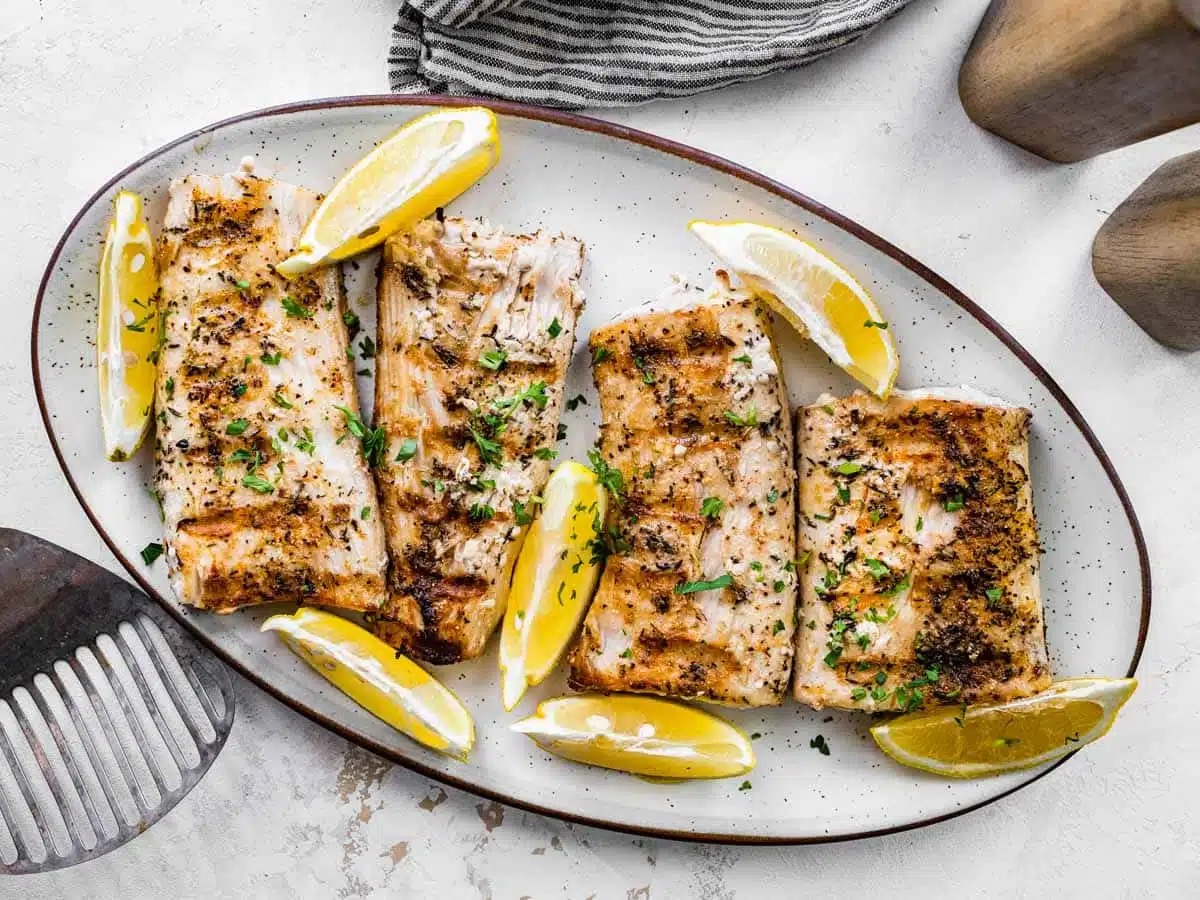
Mahi mahi, also known as dolphinfish and sold as amloshk in Pakistan, is an ocean fish with firm, mildly sweet flesh. A 100g serving of cooked mahi mahi provides around 109 calories, 23.7g of protein, and less than 1g of fat, along with nutrients such as selenium and niacin. SeaFresh offers this fish as a local Arabian Sea catch.
Wait, What Is Mahi Mahi?
Mahi mahi in Pakistan is known as amloshk. It is a large, fast-swimming ocean fish found in warm tropical and subtropical waters worldwide, including the Arabian Sea. Its scientific name is Coryphaena hippurus, but it is also commonly called dolphinfish, which has nothing to do with dolphins.
The fish itself is stunning to look at. Bright golden, green, and blue on the outside, with a large blunt head and a long, slender body. It is one of the fastest-growing fish in the ocean. It matures within its first year.
But what really matters is what happens when it hits the pan.
Mahi-mahi flesh is firm, moist, and slightly sweet, with a mild flavor that is not too fishy at all. It has a meaty texture that holds together beautifully under heat. It does not fall apart, does not go mushy, and takes on whatever spices or marinades you use really well. For people who enjoy surmai or halibut, mahi mahi sits in that same satisfying territory of firm, clean-tasting fish.
You can read more about halibut and how it compares at halibut fish nutrition facts.
Mahi Mahi Nutrition Facts (Per 100g)
A 100g serving of cooked mahi mahi provides 109 calories, 23.7g of protein, and less than 1g of fat. It contains no carbohydrates and provides important nutrients, including selenium, niacin, vitamin B6, and vitamin B12.
| Nutrient | Amount per 100g cooked |
|---|---|
| Calories | 109 kcal |
| Protein | 23.7g |
| Total fat | 0.9g |
| Carbohydrates | 0g |
| Sodium | 113mg |
| Selenium | 46.8µg |
| Niacin (Vitamin B3) | 7.4mg |
| Potassium | 533mg |
| Vitamin B6 | 0.46mg |
| Vitamin B12 | 0.69µg |
| Omega-3 (EPA + DHA) | About 0.14g |
Source: USDA FoodData Central data for cooked mahi mahi. Values are per 100g cooked using dry heat.
Mahi mahi is a lean source of protein, and its selenium supports normal thyroid function and helps protect cells from damage. It also provides niacin and vitamin B6, which help the body use energy from food, while vitamin B12 supports normal nerve function and red blood cell formation.
Although mahi mahi contains some omega-3 fatty acids, it provides much less than oily fish such as salmon or mackerel. It can still be part of a balanced diet as a lean protein option.
Health Benefits of Mahi Mahi
The main benefits of mahi mahi include high-quality protein, low fat and calories, selenium for normal thyroid function, B vitamins for energy metabolism and nerve health, and potassium to support healthy blood pressure.
Protein in Mahi Mahi Fish
Cooked mahi mahi has about 23.7g of protein per 100g. This makes it a protein-rich fish, with a figure close to chicken breast, which contains around 31g of protein per 100g when cooked.
Protein helps your body build and repair muscles, maintain normal immune function, and recover from everyday physical activity. It can also help you feel full after meals. If you want to increase your protein intake without relying on red meat, mahi mahi is a useful option.
For a side-by-side look at protein in different fish, read our guide to how much protein is in rohu fish.
Mahi Mahi Is a Lean Fish
A 100g serving of cooked mahi mahi contains 109 calories and just 0.9g of fat. This makes it a lean protein option for people who want filling meals without adding many calories from the fish itself.
How you prepare it matters, too. Grilling, baking, or pan-cooking with a small amount of oil can help keep the meal lighter. Mahi mahi contains much less fat than oily fish such as mackerel and salmon, which provide more omega-3 fatty acids.
Potassium and Heart Health
Mahi mahi provides around 533mg of potassium per 100g cooked. Potassium helps your body maintain fluid balance and supports normal muscle function. It also helps balance the effects of sodium and plays a role in maintaining healthy blood pressure.
Mahi mahi is very low in saturated fat, making it a lean alternative to fatty or processed meats. For more information, read our guide on why eating fish is good for you.
Selenium and Vitamin B12
Mahi mahi provides selenium and vitamin B12, two nutrients that support important functions in the body. A 100g cooked serving contains around 46.8µg of selenium and 0.69µg of vitamin B12. That amount of selenium covers most adults’ daily requirement, while the B12 provides a useful share.
Selenium helps protect cells from damage and supports normal thyroid function. Vitamin B12 helps maintain healthy nerve function and supports red blood cell formation. Mahi mahi also contains vitamin B6 and niacin, which help the body use energy from food.
Is Mahi Mahi Good for Weight Loss?
Mahi mahi can fit into a weight-loss eating plan because it is high in protein and relatively low in calories and fat. Protein can help you feel satisfied after a meal, while a 100g cooked serving of mahi mahi provides 109 calories.
Try grilled mahi mahi with lemon and garlic, served with vegetables and a balanced portion of rice or potatoes. Remember that total calories depend on the portion size, cooking oil, sauces, and side dishes. For more ideas, explore our guide to the best fish to eat for weight loss.
Mahi Mahi and Normal Nerve Function
Mahi mahi contains vitamin B12 and vitamin B6, which support normal nerve function. Vitamin B12 also helps your body make red blood cells, while vitamin B6 plays a role in normal brain development and the function of the nervous system.
Mahi mahi is relatively low in omega-3 fatty acids, providing only about 0.14g of EPA and DHA per 100g. If you want to increase your omega-3 intake, include oily fish such as mackerel or surmai in your diet, too.
How Mahi Mahi Compares to Other Fish
The table below compares the calories, protein, and fat in different fish using cooked values per 100g. Nutrition can vary by species and cooking method, so use these figures as a general guide.
| Fish | Calories per 100g cooked | Protein per 100g cooked | Fat per 100g cooked |
|---|---|---|---|
| Mahi Mahi | 109 kcal | 23.7g | 0.9g |
| Halibut | 111 kcal | 22.5g | 1.6g |
| Tilapia | 128 kcal | 26.2g | 2.7g |
| Sole | 86 kcal | 15.2g | 2.4g |
| Lady Fish | Verify cooked values | Verify cooked values | Verify cooked values |
| Flounder | 86 kcal | 15.2g | 2.4g |
Tilapia has the highest protein content among the fish with confirmed figures in this table, at 26.2g per 100g cooked. Mahi mahi is also a protein-rich choice, providing 23.7g of protein with less than 1g of fat per 100g cooked.
You can explore more fish nutrition guides, including flounder fish nutrition facts, ladyfish nutrition and benefits, and halibut fish nutrition facts.
How to Cook Mahi Mahi
Mahi mahi has firm flesh that holds together well during cooking. Its mild flavour works with simple lemon and garlic seasoning as well as Pakistani spices. You can grill it, pan-fry it, or cook it on a tawa for a desi-style meal.
Grilled Mahi Mahi With Lemon and Garlic
This is the classic preparation and for good reason. Marinate the fillet in lemon juice, minced garlic, olive oil, salt, and your choice of herbs for 20 to 30 minutes. Grill over medium-high heat for three to four minutes on each side. The outside develops a beautiful slight char while the inside stays moist and flaky. Serve immediately with a fresh salad or grilled vegetables.
Pan-Seared Mahi Mahi With Spices
Season the fillet generously with cumin, coriander, chili powder, turmeric, and salt. Heat a pan over high heat with a small amount of oil. Sear the fillet for three minutes on each side without moving it. This creates a golden, spiced crust on the outside while keeping the inside juicy. This method works brilliantly with the bold flavors of South Asian spices.
Crispy Battered Mahi Mahi
Mahi mahi’s firm flesh makes it ideal for a crispy batter. It holds its shape inside the coating and delivers a satisfying crunch with every bite. Follow this crispy fish and chips recipe using mahi mahi fillets for a restaurant-quality result at home that the whole family will enjoy.
Mahi Mahi Biryani
For something more comforting and aromatic, mahi mahi works beautifully in a spiced biryani. Its firm flesh soaks up the flavors of the rice and masala without breaking apart, and the result is deeply satisfying. Try it using this fish biryani recipe for an incredible homemade meal.
The most important rule with mahi mahi is not to overcook it. When overcooked, it becomes dry and loses that beautiful moist texture that makes it so enjoyable. Cook it just until the flesh turns opaque and flakes easily when pressed gently. That is the sweet spot.
Tips for Buying Mahi Mahi
Fresh mahi mahi should have pinkish white flesh that looks moist and firm. It should smell clean and like the sea, not sharp or unpleasant. The skin, if still on, should look bright and intact.
Fresh mahi mahi is best cooked soon after purchase for the best taste and texture. If you are not cooking it straight away, store it in the refrigerator at 4°C or below and use it within 1–2 days. To keep it for longer, wrap the fish tightly, place it in a freezer-safe bag or container, and freeze it. Thaw frozen fish safely in the refrigerator before cooking, rather than leaving it at room temperature.
Looking for fresh mahi mahi for your next meal? Order fresh mahi mahi (amloshk) from SeaFresh and enjoy this firm, mild-flavoured fish in grilled recipes or a spicy desi tawa fry.
Mahi Mahi Is Worth Every Bit of the Hype
Mahi mahi is not just a fish with a fun name. It is a genuinely impressive source of lean protein, essential vitamins, and minerals that your body needs every day. High protein. Low fat. Low calories. Rich in B12, selenium, and potassium. Easy to cook. Hard to get wrong.
Whether you are eating it for the health benefits, for weight loss, or simply because you want to try something new and genuinely delicious, mahi mahi will not disappoint.
And if you are ready to get fresh quality mahi mahi and other incredible fish delivered straight to your kitchen, visit Seafresh for a wide selection of responsibly sourced seafood that makes eating well the easiest part of your day.
Frequently Asked Questions
What Does Mahi Mahi Taste Like?
Mahi mahi has a mild, slightly sweet flavour and a firm, meaty texture. It is not overly fishy, making it a good option for people who prefer a milder-tasting fish. Like surmai or halibut, it works well with marinades, herbs, and spices, so you can enjoy it grilled, pan-fried, or cooked with desi seasonings.
Is Mahi Mahi High in Protein?
Yes. A 100g serving of cooked mahi mahi provides around 23.7g of protein and just 0.9g of fat. This makes it a lean, protein-rich seafood option that can help support muscle growth and repair as part of a balanced diet.
Is Mahi Mahi Safe to Eat Regularly?
Mahi mahi is listed by the US Food and Drug Administration (FDA) as a “Good Choice” fish for mercury. The FDA advises eating one serving of about 113g per week from this category. This guidance also applies during pregnancy. Pregnant people should eat fish that is properly cooked and follow the FDA’s advice on fish choices and serving sizes.
Read the FDA’s advice about eating fish for more information.
What Is Mahi Mahi Called in Pakistan?
In Pakistan, mahi mahi is commonly sold as amloshk. You can explore mahi mahi (amloshk) at SeaFresh if you want to try this firm, mild-flavoured fish in your home cooking.
How Many Calories Are in Mahi Mahi?
A 100g serving of cooked mahi mahi contains around 109 calories, 23.7g of protein, and 0.9g of fat. The final calorie count of your meal will depend on the amount of oil, butter, or sauce used during cooking.
Is Mahi Mahi the Same as Dolphin?
No. Mahi mahi is a fish, also known as dolphinfish, and it is not the same as a dolphin. Dolphins are marine mammals, while mahi mahi is a species of fish. The shared name can confuse, but they are entirely different animals.
Disclaimer
The nutritional values in this blog are based on general averages and may vary depending on the specific catch, cooking method, and supplier. This content is for informational purposes only and does not constitute dietary or medical advice. Please consult a qualified professional before making any significant changes to your diet.